

TL;DR:
- Hosting sports team tours helps youth teams develop lasting bonds and skills through travel and competition. These experiences improve team cohesion, social skills, and school reputation, benefiting the entire program. Careful planning and emphasis on off-field moments maximize both developmental and community impacts.
Hosting sports team tours is defined as the deliberate practice of organizing travel-based athletic programs that combine training, competition, and shared living for youth players. Schools and youth organizations that commit to this model gain measurable advantages in team cohesion, player confidence, and program credibility that regular practice sessions simply cannot replicate. The question of why host sports team tours comes down to one core truth: players who train, travel, and compete together in new environments develop bonds and skills that last far beyond the final whistle. Grouptravelnetwork works directly with schools, coaches, and youth leaders to make this kind of experience accessible, organized, and worth every hour of planning.
Why host sports team tours: the core case for schools
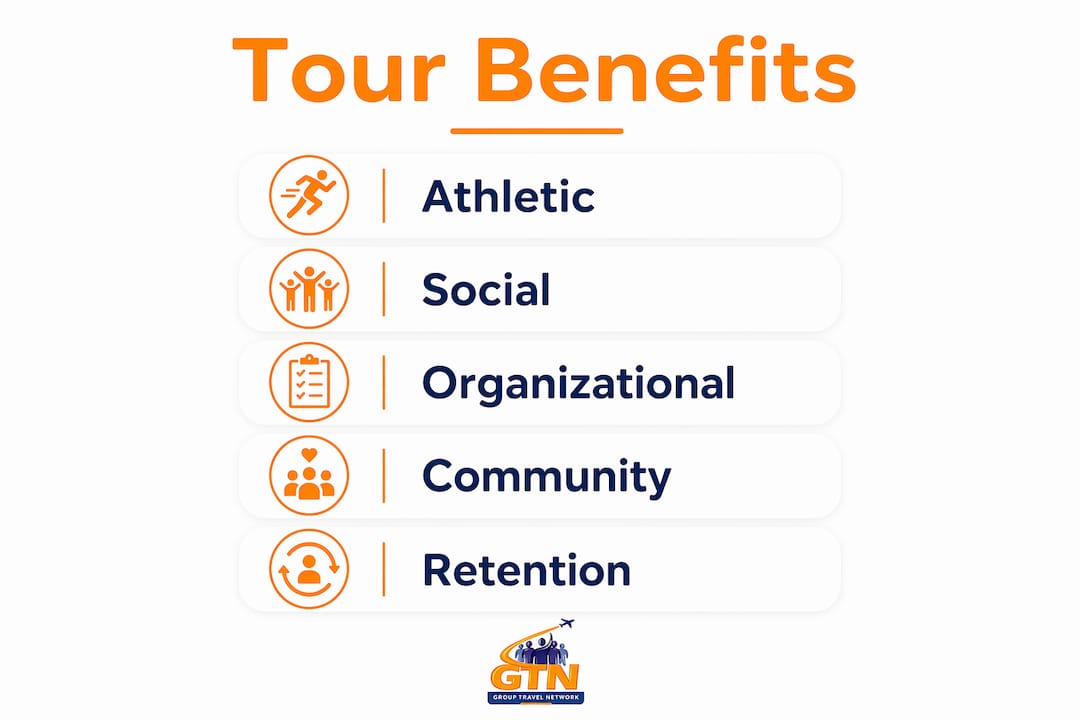
Sports team tours, also called athletic touring programs in youth development circles, deliver benefits that fall into three clear categories: athletic growth, social development, and organizational prestige. Each one compounds the others, making the investment stronger than any single benefit suggests on its own.
The athletic case is direct. Players exposed to new training environments, different coaching styles, and unfamiliar opponents develop faster than those who train only in familiar settings. Tours build lasting friendships (opens in a new tab), trust, and communication among players, reinforcing a strong team culture that carries back into the regular season. Grassroots clubs consistently report energized memberships and improved cohesion after tours that offer pressure-free, inclusive participation.
The social case is equally strong. Players develop essential life skills on tours, including responsibility, communication, and independence, that go well beyond athletic ability. Managing equipment, following schedules, and representing a school respectfully in a new city teaches players things no classroom or practice field can. These are the skills that college coaches and employers notice years later.
The organizational case closes the argument. Schools that host or send teams on tours build regional visibility, attract stronger recruits, and retain players longer. Sports tours are proven tools for long-term player retention and club community vitality. A program with a touring history signals commitment, and that signal matters to parents, players, and administrators alike.
What are the key benefits of sports team tours for youth programs?
The benefits of sports team tours go deeper than a change of scenery. They reshape how players relate to each other and to the game itself.
Team cohesion accelerates off the field. Shared meals, shared rooms, and shared downtime force players to communicate in ways that structured practice never does. A player who barely speaks to a teammate during drills will navigate a delayed bus or a rainy training day with that same teammate, and the relationship shifts. Coaches use tours to emphasize participation, learning, and enjoyment without focusing solely on competitive results, which creates a psychologically safe space for players to take risks and grow.
The social skills developed in group sports settings extend well beyond the sport itself. Research on group-based youth sports consistently shows that shared athletic experiences build empathy, communication, and leadership in young players. These outcomes are not accidental. They are the direct product of putting young people in new situations together and giving them the structure to succeed.
Key benefits coaches and administrators report most often include:
- Stronger communication patterns that transfer directly into game-day decision-making
- Increased player confidence from overcoming unfamiliar challenges in a low-stakes environment
- Deeper respect between players built through shared adversity and shared wins
- Broader school pride as players return with stories that energize the wider program
- Improved recruitment appeal as a touring program signals long-term investment to prospective players and their families
Pro Tip: Schedule at least one unstructured social activity during the tour, such as a team dinner or a local sightseeing block. These moments generate the strongest bonding outcomes and cost very little to organize.
How to successfully plan and organize a sports team tour
Planning a sports team tour requires the same discipline the sport itself demands: preparation, attention to detail, and a clear timeline. Improvisation at the planning stage creates chaos on the road.
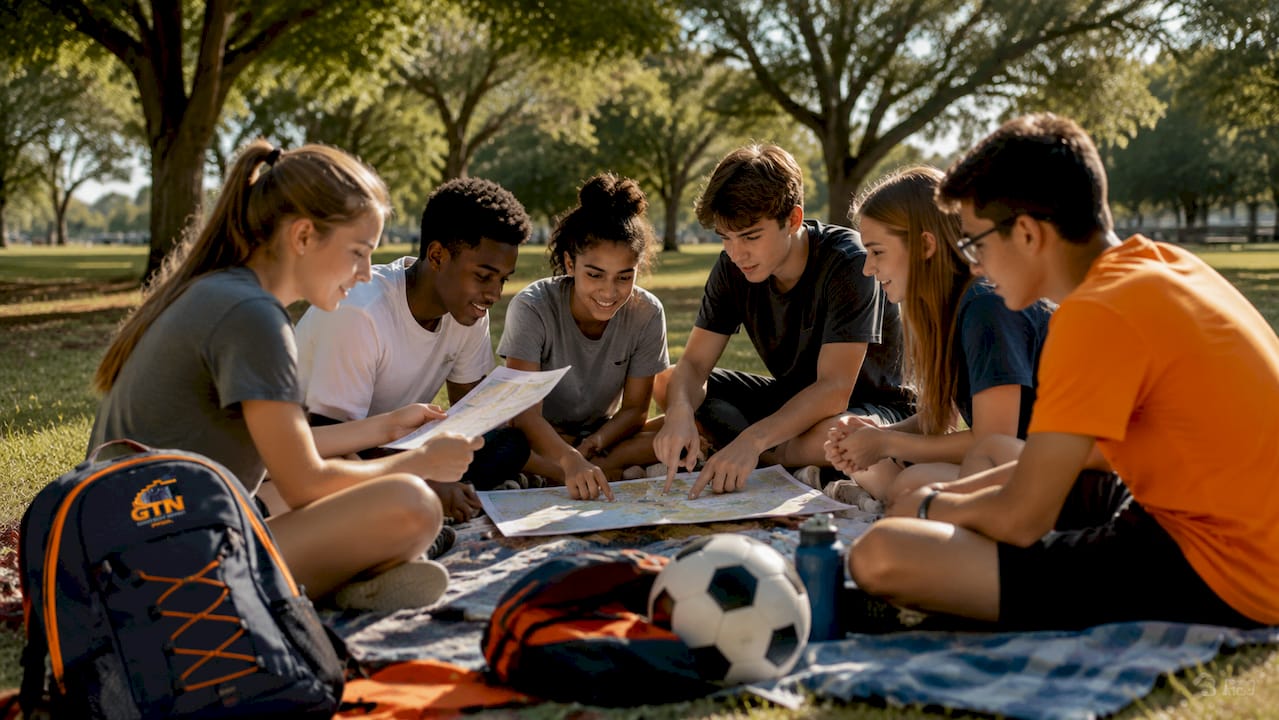
The most important lesson from major hosting experiences in 2026 is that lead time determines success. Large-scale sports event hosting (opens in a new tab) requires 18 to 60 months of planning, including facility inspections and security management. Even for school-level tours, a 12-month runway gives administrators time to secure facilities, negotiate accommodations, and communicate clearly with parents.
A practical planning sequence looks like this:
- Define the tour’s purpose. Decide whether the primary goal is competitive exposure, team bonding, or both. This decision shapes every logistical choice that follows.
- Set a realistic budget. Hosting major teams often breaks even financially, with the real returns coming from prestige and community engagement. School-level tours should budget for travel, lodging, facility fees, meals, and one or two off-day activities, with a 10% contingency built in.
- Inspect facilities before committing. Training surfaces, locker room capacity, and proximity to lodging all affect the daily experience. A facility that looks good in photos but requires a 45-minute bus ride each morning will drain energy and morale.
- Map the daily schedule in detail. Hosts that prioritize logistical depth (opens in a new tab) over flashy presentation consistently deliver better experiences. A detailed daily itinerary, including transport times, meal windows, and rest periods, prevents the small friction points that accumulate into big problems.
- Coordinate with a specialist. Grouptravelnetwork provides dedicated trip coordinators, vendor networks, and flexible payment plans that reduce the administrative burden on coaches and school staff. The travel logistics guide for schools (opens in a new tab) from Grouptravelnetwork covers timelines, accommodations, and facility considerations in practical detail.
Pro Tip: Build a written communication plan for parents before the tour departs. Include daily check-in times, emergency contacts, and a clear protocol for medical situations. This single step reduces parent anxiety and protects administrators.
What logistical challenges do hosts face and how to overcome them?
Every sports tour encounters friction. The hosts who manage it best are the ones who anticipated it first.
Scheduling complexity is the most common pressure point. A team of 25 players with different dietary needs, varying fitness levels, and mixed experience traveling internationally requires a schedule that accounts for all of it. Kansas City’s success as a 2026 World Cup base camp host came directly from out-preparing larger cities with detailed, customized arrangements rather than relying on name recognition or venue size alone.
The most frequent logistical challenges and their solutions include:
- Accommodation mismatches. Teams need specific room configurations, quiet hours, and proximity to training sites. Hosts must confirm these details in writing, not just in conversation.
- Weather contingencies. Outdoor training plans need an indoor backup. Hosts that lack covered facilities lose credibility fast. Tailored hotel configurations, proximity to charter airports, and indoor facilities for bad weather are the three factors elite teams weigh most heavily when choosing a host.
- Security and staff coordination. For larger tours, security personnel and specialized support staff require their own scheduling and briefing. KU Athletics built security and staff services into a six-week hosting plan for Team Algeria, treating these as non-negotiable line items rather than optional additions.
- Off-day activity gaps. Downtime without structure leads to disengagement. Kansas City arranged exclusive access to local golf courses and recreational venues tailored to visiting teams’ preferences. School-level hosts can replicate this approach with local parks, cultural sites, or community venues.
- Transport timing errors. Late buses cascade into missed meals, shortened training sessions, and frustrated players. Build 15-minute buffers into every transport window.
The team travel coordination tips (opens in a new tab) from Grouptravelnetwork address each of these friction points with practical, school-specific guidance.
How does hosting sports tours impact school and community culture?
The effects of a well-run sports tour extend well past the players who participated. They ripple through the school and the surrounding community in ways that compound over time.
Returning players carry the tour’s energy back into the program. Their stories, their new friendships, and their visible growth energize teammates who did not travel. Returning players’ enthusiasm energizes the wider club culture and directly supports player retention. A player who experienced a tour is far more likely to stay in the program and recruit peers to join.
Sports tourism also generates measurable economic activity for the host community. Sports tourists purchase local memorabilia (opens in a new tab) and increase demand for transportation and lodging, which means hosting a visiting team benefits local businesses alongside the school program. This economic argument gives administrators a concrete talking point when seeking community support or local sponsorship for future tours.
The reputational benefit is harder to quantify but no less real. A school known for hosting well-organized sports tours attracts better opponents, stronger recruits, and more engaged parents. Facilities get used more intensively, which justifies future investment in upgrades.
“Sports tours are not a reward for a winning season. They are an investment in the culture that produces winning seasons. The schools that understand this distinction build programs that outlast any single coach or class of players.”
The real value of sports tours is what you cannot put on a schedule
I have watched dozens of youth sports programs debate whether a tour is “worth it.” The debate almost always focuses on cost, logistics, and time away from school. Those are real concerns, and they deserve real answers. But the programs that ask only those questions tend to miss the bigger picture.
The most durable outcomes from sports team travel experiences are the ones that happen between the scheduled activities. A player who figures out how to navigate a new city, resolve a conflict with a roommate, or push through a tough training session far from home comes back a different athlete. Not because of the drills, but because of the context around them.
What I have seen work consistently is a planning approach that treats the off-field experience as seriously as the on-field one. The coaches who build in unstructured time, who let players lead small decisions, and who debrief the tour afterward get the most out of it. The ones who treat the tour purely as a competition schedule miss the developmental window entirely.
The student tour group advantages (opens in a new tab) that Grouptravelnetwork documents reflect this same pattern. The programs that invest in the full experience, not just the games, report the strongest long-term outcomes in player retention and team culture. That is not a coincidence. It is the result of treating a tour as a culture-building tool rather than a logistical exercise.
My honest advice to any coach or administrator sitting on the fence: do the tour. Plan it carefully, budget honestly, and build in the downtime. The players who come back will show you why it was worth it.
— Donovan
Planning your next sports team tour with Grouptravelnetwork
School administrators and coaches who are ready to move from planning to action need a partner who understands both the athletic and logistical sides of youth sports travel.

Grouptravelnetwork specializes in organizing sports team travel for schools, youth organizations, and athletic programs. From dedicated trip coordinators to flexible payment plans and vendor networks built for group travel, the platform handles the complexity so coaches can focus on the team. The student educational travel guide (opens in a new tab) covers everything from initial budgeting to day-of logistics, with specific resources for sports programs. Whether the goal is a regional training camp or an international competition tour, Grouptravelnetwork provides the planning infrastructure to make it work. Contact the team directly to build a tour itinerary tailored to your program’s goals, timeline, and budget.
FAQ
Why host sports team tours instead of local training camps?
Tours place players in unfamiliar environments that accelerate bonding, build independence, and expose them to different competition levels. Local camps cannot replicate the social and developmental depth that shared travel creates.
How far in advance should schools start planning a sports tour?
Large-scale hosting requires 18 to 60 months of lead time, but school-level tours benefit from at least 12 months of preparation to secure facilities, accommodations, and parent communication plans.
What is the typical financial outcome of hosting a sports tour?
Hosting typically breaks even financially. The primary returns are community prestige, facility utilization, and long-term program credibility rather than direct profit.
How do sports tours support player retention?
Players who participate in tours report stronger attachment to their program and are more likely to recruit peers. Returning players’ enthusiasm directly energizes club culture and reduces dropout rates.
What should every sports tour itinerary include?
Every itinerary needs detailed daily schedules with transport buffers, at least one structured off-day activity, clear accommodation requirements, and a written parent communication plan covering emergency protocols.
Key takeaways
Sports team tours build stronger programs by combining athletic development, social growth, and community engagement in a single, well-planned experience.
| Point | Details |
|---|---|
| Tours accelerate team cohesion | Shared travel and downtime build trust and communication faster than practice alone. |
| Planning lead time is critical | School-level tours need at least 12 months of preparation to run without friction. |
| Financial returns are indirect | Hosting typically breaks even; the real gains are prestige, retention, and community engagement. |
| Off-field time drives development | Unstructured activities and player-led moments produce the strongest long-term growth outcomes. |
| Community impact compounds over time | Returning players energize the wider program and support recruitment for future seasons. |
Recommended
- What Is Sports Travel Management For School Teams In 2026 (opens in a new tab)
- How To Organize School Tours: 2026 Planning Guide • Group Travel Network (opens in a new tab)
- Team Travel Coordination Tips For Schools In 2026 • Group Travel Network (opens in a new tab)
- Student Performances Tours: Showcasing Talent In 2025 (opens in a new tab)