

TL;DR:
- Successful student performance trips require detailed planning and clear safety protocols.
- Effective packing, transportation management, and on-site organization are critical for trip success.
- Post-trip reflection and involving students foster continuous improvement and smoother future trips.
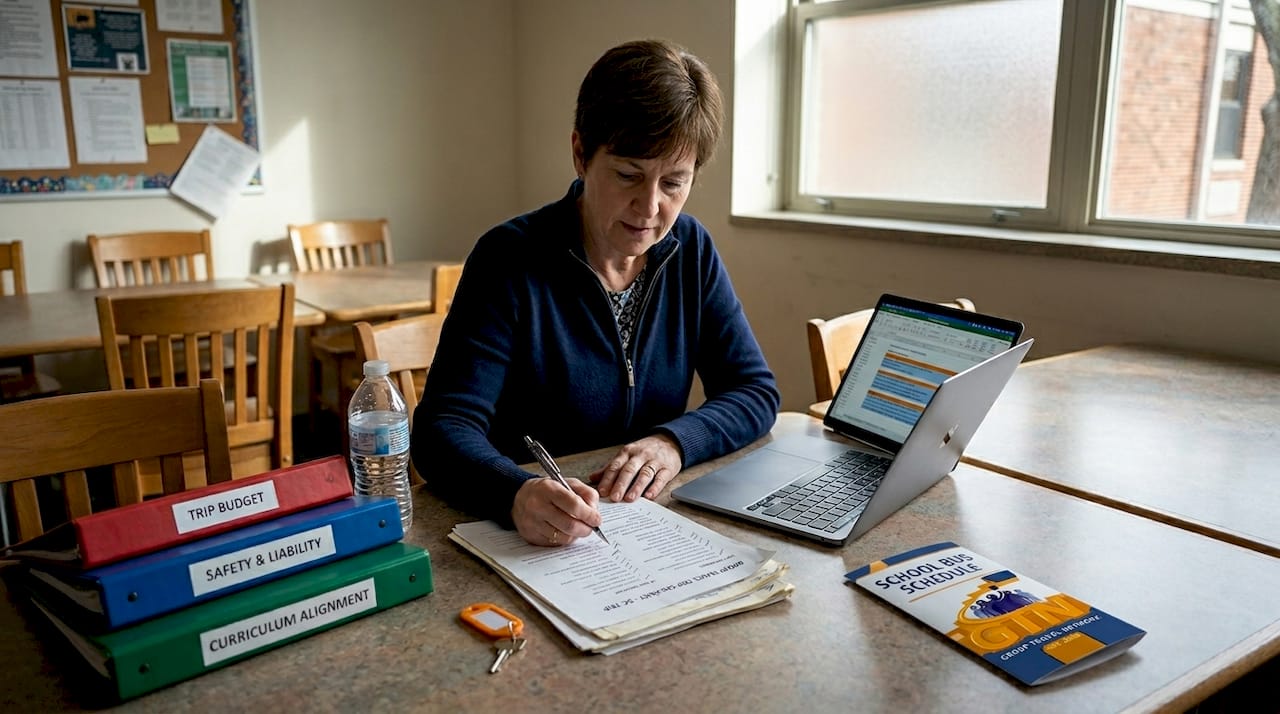
Planning a student performance trip feels manageable until you realize how many moving parts can unravel at once. A missing permission slip, a forgotten uniform, or an unclear emergency contact list can turn an exciting opportunity into a logistical nightmare. Research consistently shows that successful student group travel depends on preparation that starts weeks, sometimes months, before departure. This guide walks school administrators and trip coordinators through every critical checkpoint, from initial planning criteria to post-trip reflection, so your group arrives ready to perform at their best.
Table of Contents
- Establishing selection criteria: What makes a great performance trip?
- The ultimate performance trip packing checklist
- Organizing safe and efficient group travel
- On-site management: Ensuring flawless performances and student support
- Final checklist: Reviewing before departure and after return
- A veteran’s perspective: What experienced trip planners never skip
- Let Group Travel Network make your next performance trip seamless
- Frequently asked questions
Key Takeaways
| Point | Details |
|---|---|
| Plan with clear criteria | Define objectives, safety needs, and expectations before you start organizing your trip. |
| Pack strategically | Use a thorough checklist to ensure all documents, uniforms, and student essentials are included. |
| Organize group logistics | Select transportation, confirm supervision ratios, and draft contingency plans for smooth travel. |
| Prioritize on-site support | Schedule rehearsals, assign roles, and maintain open communication throughout the event. |
| Review and reflect | After returning, gather feedback to refine your approach for future performance trips. |
Establishing selection criteria: What makes a great performance trip?
Every strong performance trip starts with a clear foundation. Before you book a single hotel room or reserve a bus, you need to define what success actually looks like for your group. That clarity drives every decision that follows.
Here are the five core criteria that experienced coordinators use when building a performance trip plan:
- Define trip objectives and performance goals. Know exactly what your students are performing, where, and why. A marching band competing at a regional festival has different needs than a choir performing at a cultural venue.
- Build a realistic budget with a payment system. Outline all costs upfront, including transportation, lodging, meals, performance fees, and contingency funds. Offer flexible payment timelines for families.
- Establish safety and emergency procedures. Every trip needs a written emergency response plan, a designated safety officer, and a contact tree before anyone boards a vehicle.
- Coordinate communication across all stakeholders. Parents, students, staff, and chaperones all need different information at different times. A shared communication calendar prevents confusion.
- Match destinations and venues to your group. A 40-person band needs a different venue than a 12-person chamber ensemble. Confirm that the performance space fits your group’s size, age range, and technical requirements.
As safe educational journey coordination research confirms, clear objectives, strong safety protocols, and inclusive coordination are vital for successful student group travel. These aren’t optional extras. They are the backbone of every smooth trip.
Pro Tip: Use a shared digital document for your planning criteria so every staff member can access and update it in real time. Tools like Google Docs or shared drives eliminate version confusion.
When you approach planning school trips step-by-step, you’ll find that setting criteria early saves hours of back-and-forth later in the process.
The ultimate performance trip packing checklist
Once your criteria are clear, start with the essentials that every student and chaperone must bring on a performance trip. Packing for a group is not the same as packing for a family vacation. The stakes are higher, and the margin for error is smaller.
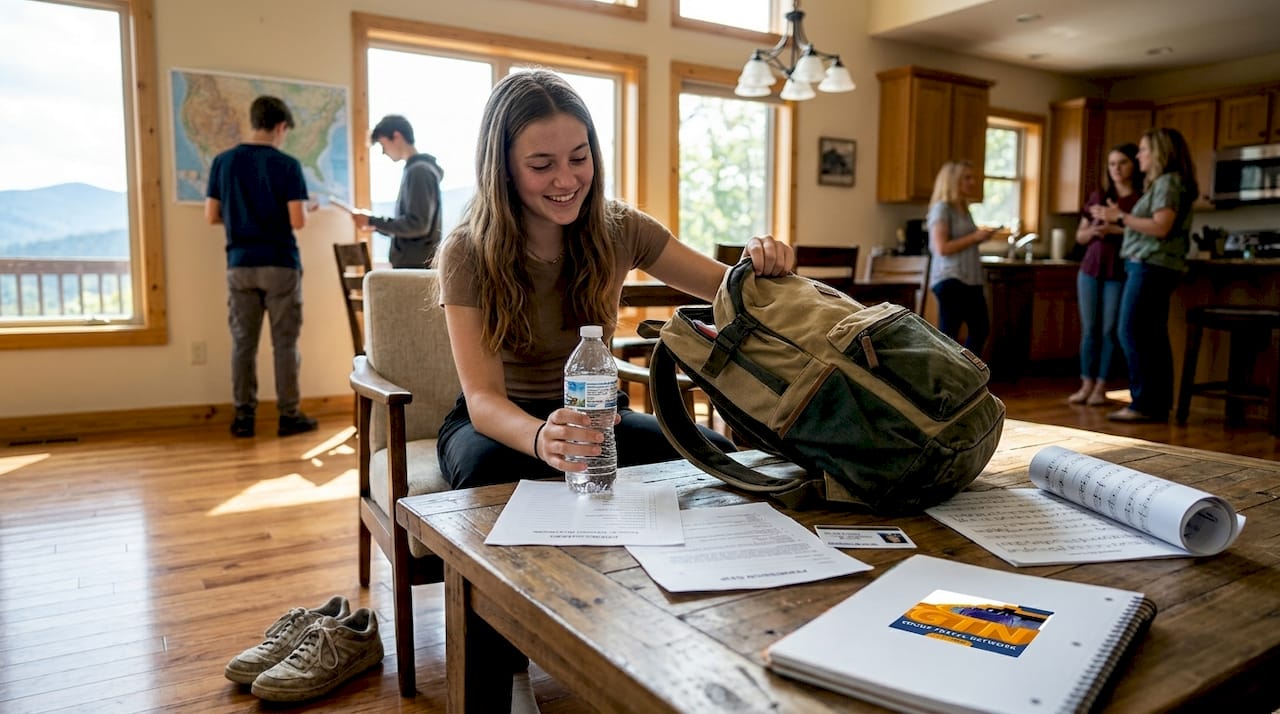
Essential items every student and chaperone should carry:
- Signed permission slips and medical release forms
- Student ID and emergency contact card
- Performance uniform and at least one backup piece
- Instrument, props, or performance accessories in a labeled travel case
- Prescription medications in original containers with documentation
- Weather-appropriate clothing for travel days and downtime
- Personal hygiene items and any dietary-specific snacks
- Portable phone charger and travel adapter if needed
- Small personal first aid kit (bandages, pain reliever, blister pads)
As student educational travel essentials guidance shows, a thorough packing checklist can minimize last-minute stress and missing items. That’s not just convenient. It’s critical when you’re managing 50 students in an unfamiliar city.
| Category | Student Must-Have | Chaperone Must-Have |
|---|---|---|
| Documents | Permission slip, student ID | Emergency contacts, insurance info |
| Performance | Uniform, instrument, props | Spare parts, repair kit |
| Health | Medications, allergy info | Group first aid kit |
| Personal | Hygiene, charger, clothing | Communication device, schedule |
Pro Tip: Create individual packing checklists for students AND separate lists for chaperones. Combine them into a single master document available through your group travel resources and tools folder so nothing falls through the cracks.
Assign a staff member to do a final bag check the morning of departure. It takes 20 minutes and prevents the most common last-minute panics.
Organizing safe and efficient group travel
With everyone packed and prepared, the next step is arranging transportation and keeping the group organized on the move. Travel day is where even the best-planned trips can fall apart without clear systems in place.
Start with your supervision ratios. A 1:10 chaperone-to-student ratio is widely recommended, and travel management strategies confirm that proper group management is critical for safety and a positive trip experience. Always verify your school district’s specific requirements, since some districts require tighter ratios for overnight trips.
Here’s a step-by-step approach to travel day logistics:
- Assign travel groups before departure. Each chaperone should know exactly which students they are responsible for at all times.
- Choose transportation based on distance and group size. Charter buses work well for trips under six hours. Flights make sense for longer distances, while rail travel offers a unique experience for shorter regional routes.
- Coordinate meals and rest stops in advance. Pre-book restaurants or identify stops that can accommodate your group size. Surprises at mealtime cause delays.
- Confirm accommodation details 72 hours before arrival. Room assignments, accessibility needs, and check-in procedures should all be settled before you leave home.
- Distribute an emergency contacts list to every chaperone. Include local hospital addresses, the nearest pharmacy, and your trip coordinator’s direct number.
| Transportation | Best For | Key Consideration |
|---|---|---|
| Charter bus | Short to mid-range trips | Group stays together, flexible stops |
| Air travel | Long-distance destinations | Requires extra document prep |
| Rail | Regional scenic routes | Limited luggage, relaxed atmosphere |
“A well-managed group doesn’t happen by accident. It happens because someone planned every transition point before the trip even started.”
Review your school group safety protocols regularly and update them after each trip based on what you learned.
On-site management: Ensuring flawless performances and student support
Travel logistics in place, attention shifts to ensuring everything on-site runs according to plan and that students can give their best performance. Arriving at a venue is exciting, but it’s also when coordination must be sharpest.
Structured on-site management is pivotal for a smooth student performance experience, as advantages of student tour groups research highlights. Students perform better when they know exactly where to be and when.
On-site management checklist:
- Distribute printed performance and rehearsal schedules to every student and chaperone on arrival
- Designate specific staff members for wardrobe, props, and technical support roles
- Identify a single point of contact for venue staff communication
- Set up a group messaging channel for real-time updates during the event
- Plan group meals at set times to keep energy levels consistent
- Organize a post-performance activity, such as a group dinner or local cultural visit, to celebrate and decompress
- Conduct a brief pre-performance check to confirm every student has their uniform, instrument, and any required materials
Pro Tip: Walk the performance venue with key staff members the day before the event. Identify the stage entrance, dressing rooms, and emergency exits so no one is navigating blind on performance day.
For inspiring class trip ideas that blend performance with cultural enrichment, consider building in one structured sightseeing activity. It gives students a mental break and often becomes the most memorable part of the trip.
Keep a printed backup of all schedules. Technology fails at the worst moments, and a paper copy in your coordinator bag has saved more than a few trips from chaos.
Final checklist: Reviewing before departure and after return
After the last performance, wrapping up with a final checklist ensures nothing is overlooked, before students go home and for future trips. The beginning and end of a trip are equally important.
Here’s your pre-departure and post-return checklist:
- 48 hours before departure: Confirm all bookings, verify every student has submitted required documents, and review the emergency plan with all staff.
- Morning of departure: Do a headcount, check that all instruments and equipment are loaded, and distribute the day’s schedule.
- Pre-trip safety meeting: Hold a 15-minute conduct and safety briefing with students. Cover behavior expectations, emergency procedures, and communication protocols.
- Post-performance equipment check: Before leaving any venue, account for every instrument, prop, and piece of equipment. Assign one staff member specifically to this task.
- Return day lost-and-found sweep: Walk every hotel room, bus aisle, and venue space before final departure. Distribute a return checklist to chaperones.
- Post-trip feedback collection: Send surveys to students, staff, and parents within one week of return. As education travel group findings show, reflecting on trip outcomes supports ongoing tour improvement.
Pro Tip: Review your age-appropriate tour essentials checklist after every trip and update it with one or two lessons learned. Over time, this builds a living document that makes every future trip smoother.
Post-trip debriefs with staff are often skipped because everyone is tired. Don’t skip them. A 30-minute conversation within a week of return captures insights that will be forgotten by next semester.
A veteran’s perspective: What experienced trip planners never skip
After years of coordinating student performance trips, the most seasoned leaders will tell you something that no packing list captures: the trips that go best are the ones where students feel trusted and involved.
Rigid, top-down control creates anxiety. When students understand the schedule, know their roles, and feel ownership over the experience, they perform better and cause fewer problems. Empower your student leaders to help manage their peers. Give section leaders responsibility for their group’s readiness checks. That investment pays off.
The other insight that experienced coordinators share is this: your backup plan needs a backup plan. Flights get canceled. Venues double-book. Weather disrupts outdoor performances. The coordinators who handle these moments calmly are the ones who already imagined the scenario and prepared a response.
Finally, post-trip reflection is not optional. It’s where improvement actually lives. Reading through parent feedback or student surveys might feel tedious, but those responses reveal patterns you can’t see from inside the trip. Explore inspiring educational travel tips to build a culture of continuous improvement into your planning process. The best trip you’ll ever run is always the next one, if you learn from the last.
Let Group Travel Network make your next performance trip seamless
Planning a student performance trip involves dozens of decisions, and having the right partner makes all the difference between a stressful experience and a genuinely memorable one.

Group Travel Network specializes in exactly this kind of work. From educational group travel planning to customized performance tour packages, their team handles the details so you can focus on your students. Whether you’re organizing a first-time choir tour or a seasoned band competition trip, explore student performance travel options designed specifically for school groups. For practical guidance on getting started, check out their essential student travel tips and reach out to their coordinators for a personalized consultation.
Frequently asked questions
What are the most forgotten items on performance trips?
Commonly forgotten items include permission slips, backup uniforms, and charger cables. A thorough checklist reviewed before departure helps students and staff avoid missing essentials.
How many chaperones should accompany a student group?
A 1:10 chaperone-to-student ratio is optimal for most trips. Always verify your school’s specific policies, since optimal supervision ratios may vary based on trip type and destination.
What documents are required for student performance travel?
Essentials include student ID, signed medical forms, permission slips, and emergency contact lists. Proper documentation is critical and should be verified at least 48 hours before departure.
How do you manage emergencies during a performance trip?
Establish clear staff roles, maintain a contact tree, and always carry a written emergency plan and first aid kit. Emergency protocols should be reviewed with all staff before departure.
What’s the best way to collect post-trip feedback?
Use short surveys, informal group discussions, and parent input forms within one week of return. Reflection and feedback gathered promptly support continuous improvement for future trips.