

April 11, 2026
School trip packages: options, safety, and planning
TL;DR:
- School trip packages vary widely in scope, cost, and complexity, from local to international.
- Safety, supervision, and clear communication are critical factors in successful trip planning.
- Choosing the right package requires aligning educational goals with thorough evaluation and collaboration.
Most administrators assume school trip packages work like a vending machine: pick a destination, pay a flat fee, and the details take care of themselves. That assumption leads to expensive surprises, safety gaps, and missed educational opportunities. The reality is that school trip packages range from a $6-per-student zoo day trip to a $5,000-per-student international expedition, each with a completely different set of logistics, legal requirements, and risk profiles. Understanding what separates a well-structured package from a poorly designed one is the difference between a trip your students remember for the right reasons and one that lands you in a crisis meeting with parents.
Table of Contents
- What is a school trip package?
- Types of school trip packages: Local, domestic, and international
- Safety and risk management in school trip packages
- How to evaluate and choose the right package
- Our perspective: What school trip coordinators often overlook
- Next steps: Unlock unforgettable student trips with tailored packages
- Frequently asked questions
Key Takeaways
| Point | Details |
|---|---|
| Packages offer complete solutions | School trip packages bundle travel, lodging, meals, activities, and risk management for convenience and safety. |
| Wide range of options | Trip packages range from affordable local field trips to complex international experiences, with substantial variation in cost. |
| Safety is essential | Effective school trip packages include strict safety protocols, qualified staff, and comprehensive insurance. |
| Evaluation matters | Careful comparison and transparent communication are crucial when selecting the right package for your group. |
What is a school trip package?
A school trip package is a bundled travel offering designed specifically for student groups. Instead of booking flights, hotels, meals, and activities separately, a package consolidates everything into a single contract with one provider. This structure simplifies planning, locks in pricing, and shifts much of the logistical burden from the school to the travel company.
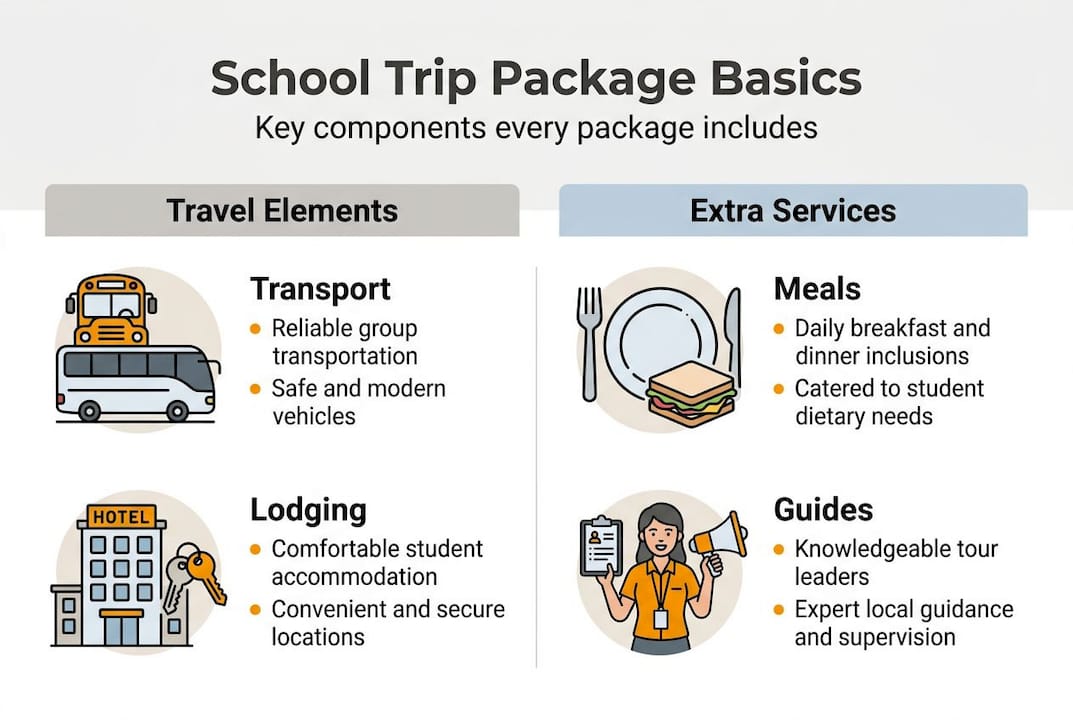
The essential package components typically include transportation, lodging, meals, curated educational activities, licensed guides, and travel insurance. Some providers also include chaperone support, emergency contacts, and 24/7 on-trip assistance. According to package component standards, packages include components like transportation, lodging, meals, activities, guides, and insurance, making them significantly more complete than most schools could arrange independently.
The difference between a DIY trip and a packaged trip is more than convenience. When your school books independently, liability for each vendor relationship falls on the institution. A package consolidates that liability under one provider’s umbrella, which simplifies your legal exposure and gives parents a clearer picture of what is covered.
Here is what a standard package typically includes:
- Transportation: Motorcoach, charter flights, or rail depending on distance
- Accommodations: Hotels, dormitories, or retreat centers appropriate for student groups
- Meals: Usually two to three daily, often at venues with allergy-aware menus
- Guided activities: Curated experiences tied to curriculum or performance goals
- Travel insurance: Coverage for cancellations, medical emergencies, and trip interruptions
- Supervision support: Staffing ratios and emergency protocols built into the itinerary
“A well-structured package removes the guesswork from planning and replaces it with a documented, repeatable process that parents and administrators can trust.”
For schools exploring comprehensive educational tour packages, the bundled model also makes budget approval easier. One line item is simpler to defend in a school board meeting than 14 separate vendor invoices.
Types of school trip packages: Local, domestic, and international
Now that we have defined the basics, let’s explore the wide variety of school trip packages available and what makes each unique.
School trip packages fall into three broad categories, and the differences between them go far beyond distance. Complexity, cost, documentation requirements, and risk all scale significantly as you move from local to international.
| Package type | Example destination | Duration | Cost per student | Key inclusions |
|---|---|---|---|---|
| Local day trip | City zoo or science museum | 1 day | $6 to $80 | Entry, transport, supervision |
| Domestic overnight | Washington, D.C. motorcoach tour | 3 to 5 days | $600 to $950 | Hotel, meals, guided tours |
| International | Costa Rica eco-adventure | 7 to 10 days | $2,600 to $5,200+ | Flights, lodging, all activities, full insurance |
Packages range from local day trips at $6 per student to international adventures over $3,900, which means your planning process needs to match the scale of the trip.
Local day trips are the simplest entry point. A zoo visit or museum excursion requires minimal paperwork, short supervision windows, and modest budgets. These are excellent for younger students or schools new to organized travel.
Domestic overnight packages introduce new layers: hotel check-in protocols, evening supervision, and multi-day meal planning. A three-day Washington, D.C. tour is a classic example, popular for middle school trip planning because it balances educational depth with manageable logistics.
International packages are a different category entirely. Passports, visas, currency exchange, foreign medical coverage, and compliance with international travel advisories all become your responsibility to verify. Student adventure tours to destinations like Costa Rica or Europe add cultural immersion and language exposure, but they require months of advance planning and thorough parent communication.
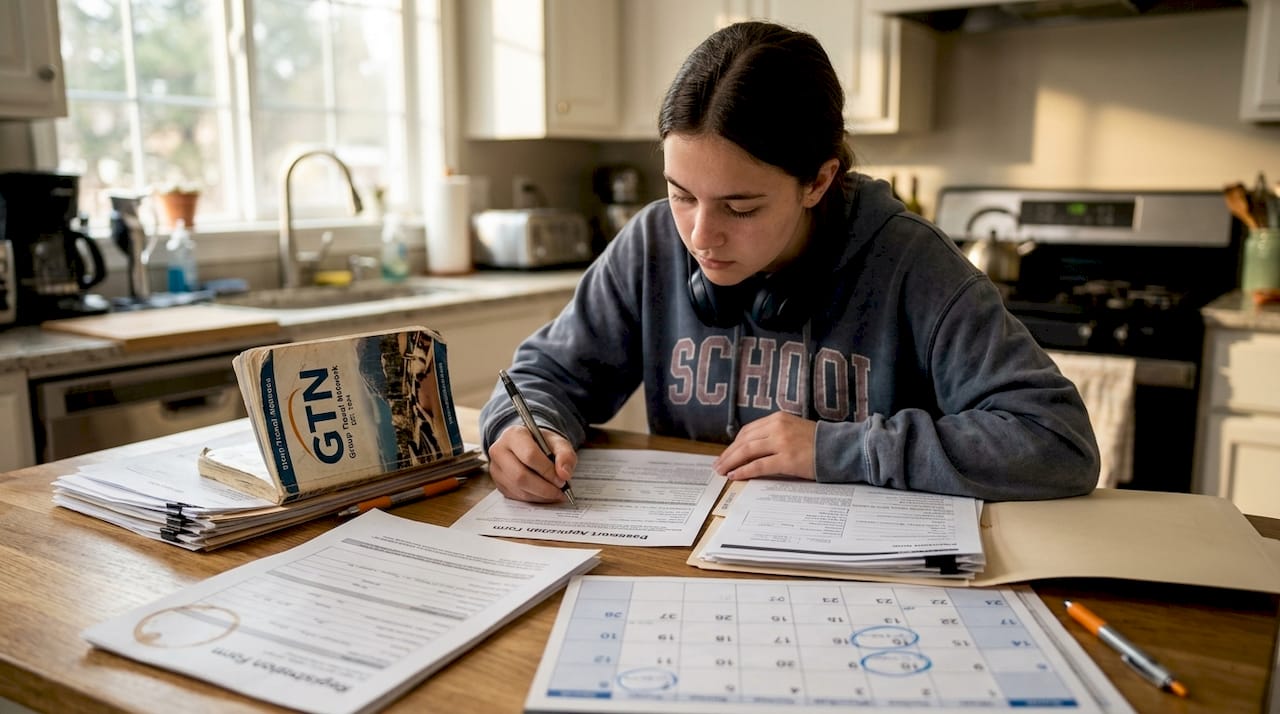
Pro Tip: Start planning international trips at least 12 months out. Passport processing delays and visa requirements alone can derail a trip if you begin too late.
Safety and risk management in school trip packages
With options in mind, safety is the next critical pillar to focus on when considering school trip packages.
Safety is not a checkbox. It is a system, and the quality of that system varies dramatically between providers. When evaluating any package, your first job is to understand exactly how risk is identified, managed, and communicated before the trip departs.
Safety and risk management is core to school travel, including pre-trip assessments, supervision ratios, insurance, emergency planning, and thorough vetting of all vendors and guides.
Here is a practical safety evaluation checklist for any package:
- Background-checked guides and staff: Every adult in contact with students should have documented clearances.
- Supervision ratios: Industry standard is 1 adult per 8 to 10 students. Verify this is written into the contract.
- Emergency protocols: Ask for the written plan. What happens if a student needs hospitalization? Who calls parents?
- Medical and behavioral accommodations: Confirm the provider can support students with specific medical needs or behavioral plans.
- Travel disruption coverage: Flight delays, weather cancellations, and political unrest should all be addressed in the contract.
- Insurance specifics: Look for medical evacuation coverage and trip cancellation protection.
“The schools that handle travel incidents best are not the ones with the strictest rules. They are the ones whose chaperones have internalized a culture of risk awareness.”
Documenting your risk policies before the trip is not just good practice. It is your legal protection if something goes wrong. Keep records of every decision, every waiver, and every communication with parents.
For a safe educational journey coordination approach, the goal is to build safety into the itinerary design, not bolt it on afterward. Ask your provider how safety is embedded in the day-by-day schedule, not just in the emergency contact sheet.
Pro Tip: Share your full safety plan with parents before the trip, not just a permission slip. Transparency builds trust and reduces last-minute opt-outs.
For youth tour safety essentials, the most overlooked element is behavioral preparation. Students who understand expectations before departure create fewer incidents than any supervision ratio alone can prevent.
How to evaluate and choose the right package
Once safety is addressed, trip leaders need a process to select packages that truly fit their school’s goals and constraints.
Choosing a package is not just about price. The right package aligns with your educational objectives, fits your student population, and comes from a provider you can hold accountable. Here is a step-by-step evaluation process:
- Define educational objectives first: What should students learn, experience, or perform? The answer shapes every other decision.
- Gather at least three quotes: Compare inclusions, not just total price. A cheaper package that excludes insurance or guides is not actually cheaper.
- Check provider accreditations: Look for membership in recognized student travel associations and verify insurance credentials.
- Review safety and insurance details: Ask for documentation, not just verbal assurances.
- Document all decisions: Documenting all decisions and approvals helps win administrative and parent support when questions arise later.
| Feature | Package A | Package B |
|---|---|---|
| Price per student | $850 | $920 |
| Travel insurance included | Yes | Yes |
| Guided educational activities | 4 sessions | 6 sessions |
| Supervision ratio | 1:10 | 1:8 |
| 24/7 emergency support | No | Yes |
| Flexible payment plan | Yes | No |
The table above illustrates why comparing packages on price alone misses the point. Package B costs more but includes better supervision, more activities, and round-the-clock support.
For a detailed step-by-step planning guide, the communication strategy matters as much as the logistics. Keep teachers, parents, and administrators informed at every stage. Silence creates anxiety and resistance.
Pro Tip: Involve a small group of students in the destination selection process. When students have a voice in the trip, engagement and behavior on the road both improve significantly.
Review top planning tips to build a timeline that accounts for approval cycles, payment deadlines, and parent communication windows.
Our perspective: What school trip coordinators often overlook
Stepping back from the specifics, experience reveals important lessons every trip leader should know.
The biggest mistake coordinators make is treating a school trip package as a purchase rather than a partnership. You sign a contract, hand over a deposit, and assume the provider handles everything. That passive approach is where most problems begin.
Documentation and communication are consistently underestimated. Approval stalls not because administrators oppose the trip, but because the paperwork trail is incomplete. Every verbal agreement needs a written record. Every safety decision needs a timestamp.
Supervision ratios matter less than supervision culture. A chaperone who models calm, attentive behavior teaches students more about risk awareness than any policy document. Train your chaperones, not just your students.
Student involvement in planning is a missed opportunity. When students help select activities or research destinations, they arrive more engaged and more accountable. That engagement reduces behavioral incidents more reliably than stricter rules.
Finally, treat your package provider as a travel management partner, not a vendor. Ask questions. Push back on itinerary details that do not serve your students. The best providers welcome that collaboration because it produces better trips and stronger long-term relationships.
Next steps: Unlock unforgettable student trips with tailored packages
If you are ready to put these insights into practice, here are concrete next steps and specialized resources for student travel planners.
Group Travel Network specializes in building school trip packages that match your educational goals, budget, and safety requirements. Whether you are planning a local performance showcase or a multi-week international adventure, the team handles the logistics so you can focus on your students.

Explore options designed for building lifelong memories through carefully curated itineraries, or review the full list of group travel benefits to make the case to your administration. From flexible payment plans to dedicated trip coordinators, every resource on the site is built for educators who want results, not headaches.
Frequently asked questions
What is typically included in a school trip package?
Most packages cover transportation, accommodations, guides, and insurance, along with meals and admission fees for planned activities. The exact inclusions vary by provider and destination, so always request a detailed itemized list before signing.
What is the average cost for a domestic versus international school trip?
A 3-day Washington D.C. tour typically runs $600 to $950 per student, while European packages range from $3,400 to $5,200 per student. International costs vary based on flight origin, duration, and activity level.
How are safety and supervision handled in student trip packages?
Reputable providers use background-checked staff and emergency plans alongside supervision ratios of 1 adult per 8 to 10 students. Travel insurance covering medical emergencies and evacuations is typically included in the package price.
Can packages be customized for special educational goals or needs?
Yes, most quality providers offer customization for specific curricula, performance group schedules, or accessibility requirements. Ask your provider early in the process so adjustments can be built into the initial itinerary design.
Do international packages require special insurance or documentation?
International package insurance typically includes ATOL coverage and medical evacuation protection, and students will need valid passports and sometimes visas depending on the destination. Confirm all documentation requirements at least six months before departure.
Recommended
- Student Tour Packages: Comprehensive Educational Solutions
- Educational Travel Agencies: 5 Questions To Ask For 2025
- Step-by-step Group Travel Planning For School Trips • Group Travel Network
- School Group Travel: Safe Educational Journey Coordination
- Beyond the Classroom: Prioritising Mental Health for Students and Teachers Abroad | TEFL Institute

Relax with our Student Travel Expertise .
We deliver stress-free student trips backed by an exceptional array of services you won’t find anywhere else:
- Stress-free, creative planning of customized itineraries
- Dedicated GTN Service host on every trip
- Extensive travel protection plan options
- Online, individual registration system
- Flexible payment plans and online payment options
- Bulk buyer discounts for great trips that cost less
Inclusion into #MyGTNFamily for life! (you don’t even have to remember our birthday!)
Spain
There is no place like Spain to offer a student performance opportunity or cultural student trip.
Myrtle Beach
All students love the beach! Especially a beach known for its 60 miles of pristine coastline.
Boston
Have your students experience colonial charm in the city that is considered the hub of New England.
London
Provide your student group with the “Royal” treatment! One of the world’s most recognized cities.
See What People Are Saying
“It has been my privilege to use Group Travel Network as the exclusive travel coordinator for my band for over 10 years. I can say, without doubt or hesitation, that GTN is, by far, the best travel company for student groups currently in existence. I have often said that I wouldn’t take my band across the street without GTN and that’s not far from the truth!”
“This was my first time using a company to plan our band trip. It was so easy working with Justin and Group Travel Network. We had to make several changes along the way, but they were accommodating changes and worked everything out for us. I would highly recommend using Group Travel Network.”
“What wonderful trip we had to NYC! Our group of 51 never missed a beat because of Group Travel Network and our wonderful guide, Tim. It was truly a theatre trip to remember! If you are looking for a travel company who really cares about the details, Group Travel Network is for you!”