

TL;DR:
- Well-planned student travel enhances academic learning, cultural awareness, personal growth, and career skills.
- Effective programs are intentional, with clear goals, preparation, reflection, and meaningful cultural engagement.
- Success depends on strategic planning, partner expertise, and integrating travel into broader educational development.
Justifying a student travel program to school boards, parents, and administrators takes more than enthusiasm. You need evidence. The research increasingly shows that well-planned study tours do far more than give students a change of scenery. They accelerate academic understanding, build cultural empathy, develop career-ready skills, and shape the kind of confident, socially aware young people that colleges and employers actively seek. This article walks you through the most compelling, evidence-backed benefits of student travel so you can make a strong case and plan programs that truly deliver.
Table of Contents
- Academic enrichment: Learning beyond the classroom
- Cultural awareness and global perspective
- Personal development and growing social responsibility
- Professional skills and college/career readiness
- Maximizing student travel benefits: Keys to effective planning
- Why the case for student travel deserves a more honest conversation
- Plan your next student travel program with expert support
- Frequently asked questions
Key Takeaways
| Point | Details |
|---|---|
| Boosts academic performance | Student travel links lessons to real-world experience, deepening learning and retention. |
| Promotes cultural awareness | Exposure to new cultures builds empathy, adaptability, and social confidence in students. |
| Builds lifelong skills | Travel develops teamwork, leadership, and problem-solving abilities for college and career success. |
| Requires strategic planning | Careful trip design and alignment with curriculum are essential for maximizing benefits. |
Academic enrichment: Learning beyond the classroom
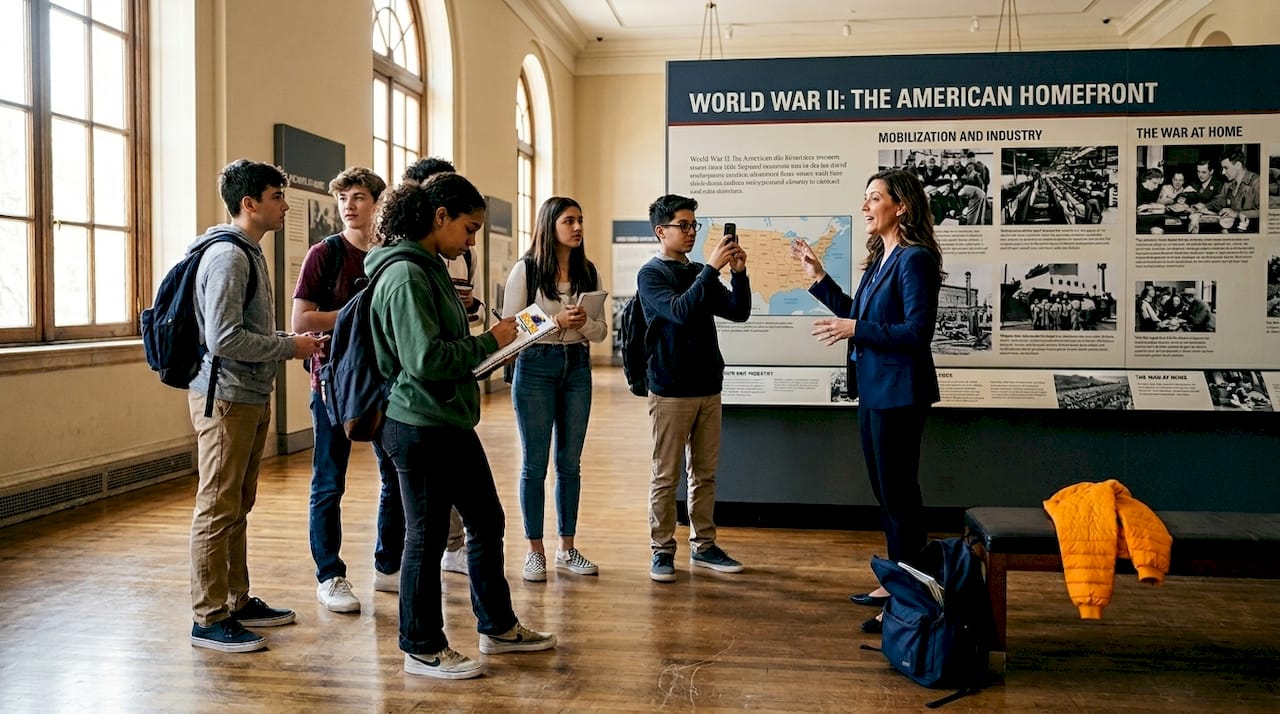
Some lessons just don’t land inside four walls. A student can memorize the timeline of World War II, but standing in a memorial or walking through a historically preserved city makes that knowledge real in a way no textbook can replicate. That is the core power of connecting classroom lessons to real-world experiences. Travel activates multiple senses and creates emotional memory, which means students retain information far longer.
Research confirms this strongly. Study tours positively impact (opens in a new tab) adolescents’ learning outcomes, psychological growth, and social responsibility. These are not vague impressions. Teachers and coordinators consistently report that students return from trips asking deeper questions, connecting concepts across subjects, and showing higher motivation in follow-up assignments.
The academic benefits extend across disciplines:
- History and social studies: Visiting historical sites makes abstract timelines concrete and personally meaningful
- Science: Field trips to ecosystems, museums, or research facilities spark curiosity that classroom labs rarely achieve
- Language arts: Travel builds real conversational confidence, especially on international programs
- Music and performing arts: Performance tours give students an authentic audience and professional context for their craft
- Geography and environmental studies: Seeing landscapes firsthand turns map coordinates into lived understanding
“Educators who integrate pre-trip preparation and post-trip reflection into their programs see the greatest academic gains. Travel is not a standalone event. It is a teaching strategy.”
The transformative impact on learning motivation is particularly significant for students who struggle with traditional classroom instruction. Some learners are kinesthetic by nature. They grasp concepts by doing and experiencing. Travel programs meet those students where they are, creating equity in academic engagement that benefits entire school communities.
Pro Tip: Build a pre-trip curriculum unit that introduces key concepts before departure, then assign reflection essays or project presentations after return. This three-part approach maximizes academic ROI from every trip.
Cultural awareness and global perspective
While classroom learning builds academic foundations, cultural exposure is another key advantage of student travel. When students step into a different cultural setting, something shifts. They stop seeing their own perspective as the default and start recognizing that the world holds many valid ways of living, thinking, and relating to one another. That shift is one of the most important things education can create.
Research published in 2025 confirms that educational travel fosters (opens in a new tab) cultural confidence, social responsibility, innovative thinking, and team collaboration skills in young people. These outcomes are not accidental. They emerge when students interact with local communities, navigate unfamiliar customs, try new foods, and hear perspectives that differ from their own. The discomfort of newness is actually productive. It builds adaptability and open-mindedness.
The cultural benefits of student travel include:
- Empathy development: Understanding how others live builds genuine compassion rather than abstract sympathy
- Reduced bias: Direct cultural interaction counters stereotypes more effectively than any classroom discussion
- Global citizenship: Students who travel are more likely to engage with international issues throughout their lives
- Communication flexibility: Navigating different social norms teaches students to read context and adjust their approach
- Respect for diversity: Exposure to multiple cultural practices builds tolerance that students carry into workplaces and communities
Key insight: Students who participate in international or multicultural travel programs report significantly higher comfort with diversity in college and workplace settings compared to peers who did not travel during their school years.
Understanding cultural trip benefits for student growth is increasingly relevant as today’s graduates enter genuinely globalized careers. Fields from healthcare to engineering to business all require professionals who can collaborate across cultural lines. A student who navigated a different country at age 16 already has a foundational advantage. For band directors and performing arts coordinators specifically, international performance tours offer an especially powerful version of this experience, placing students in direct dialogue with audiences who hold different artistic traditions and expectations.
Personal development and growing social responsibility
Broadening students’ horizons culturally is only part of the story. Their personal growth is just as important. Travel reliably puts students in situations that require independence, problem-solving, and cooperation. When a student has to navigate an unfamiliar transit system, adapt to an unexpected change in the itinerary, or share close quarters with classmates for an extended period, they grow in ways that a controlled classroom environment simply cannot produce.
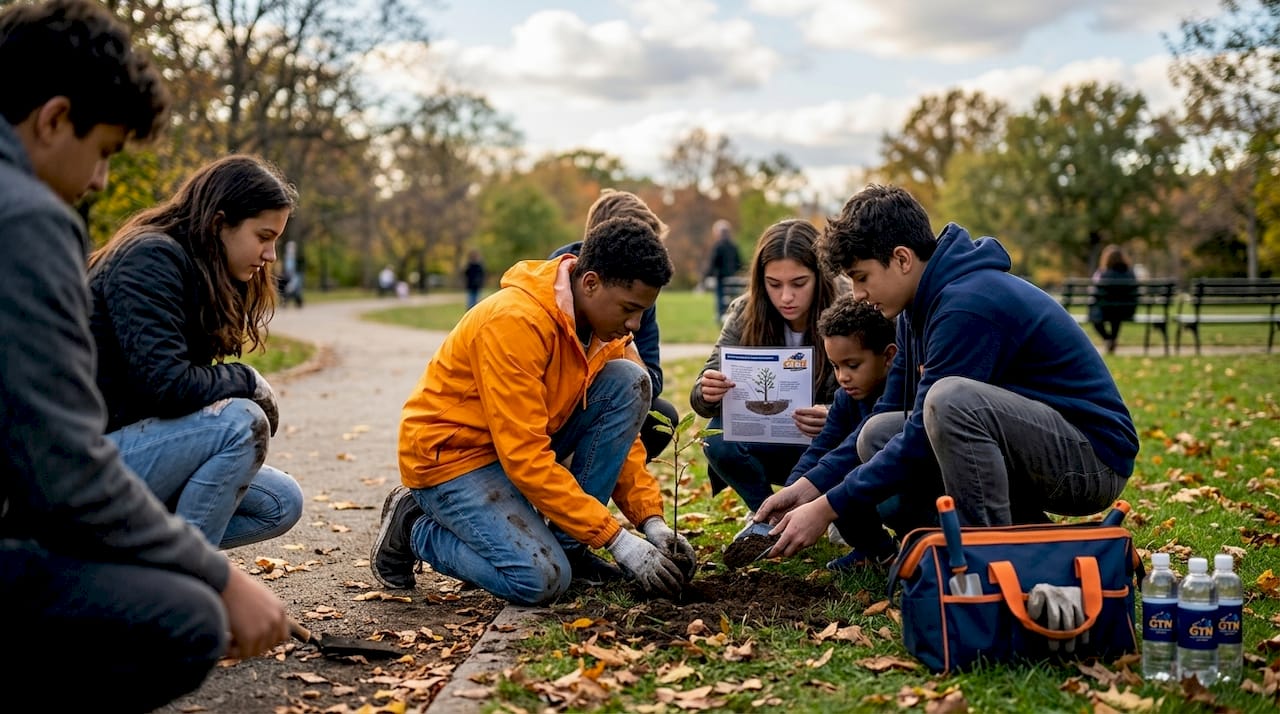
Study tours positively impact adolescents’ psychological growth and social responsibility alongside academic achievement. This research supports what experienced educators already observe: students who travel come back more mature, more self-aware, and more engaged with the world around them.
Here is how personal development typically unfolds across a well-structured trip:
- Pre-departure preparation: Students take ownership of packing, researching their destination, and setting personal goals, building self-direction
- Navigating the unknown: On-the-ground challenges teach real-time decision-making and emotional regulation
- Group cooperation: Shared experiences, tight schedules, and communal living build empathy and conflict resolution skills
- Community interaction: Service elements or local partnerships develop social responsibility and awareness of systemic issues
- Reflection and integration: Processing the experience formally helps students articulate their growth and carry it forward
Community building through travel is one of the most frequently cited outcomes by teachers who lead trips year after year. Students who might barely interact in school often form lasting bonds on the road. Shared challenges create shared identity. That social cohesion has downstream benefits inside the classroom too.
Understanding adolescent growth through travel also means recognizing that some students experience a genuine identity shift. Shy students find their voice. Natural leaders discover new dimensions of their capability. At-risk students often thrive in travel settings when the environment removes old social hierarchies and offers a genuine fresh start.
Pro Tip: Build in at least one structured community service component on any trip. Even a two-hour volunteer activity grounds the experience in social responsibility and gives students a concrete story to share during college interviews.
Professional skills and college/career readiness
As personal confidence climbs, students also acquire skills vital for success in higher education and the workplace. Think of a well-designed student travel program as a soft-skills bootcamp. Students practice communication, leadership, adaptability, teamwork, and problem-solving in real time, under real conditions. These are not simulated exercises. They are actual experiences with actual stakes.
The data backs this up clearly. Over 60% of students (opens in a new tab) report gains in professional competencies like teamwork, leadership, communication, and problem-solving after studying or traveling abroad. Colleges and employers both recognize these gains. Admissions counselors view meaningful travel experience as evidence of intellectual curiosity and initiative. Hiring managers consistently list adaptability and cross-cultural communication as top desired qualities.
| Skill developed | How travel builds it | Why it matters for future success |
|---|---|---|
| Teamwork | Shared itineraries, group navigation, communal living | Required in virtually every professional field |
| Leadership | Students take turns guiding peers or managing logistics | Colleges and employers both prioritize leadership evidence |
| Communication | Navigating new environments, interacting with locals | Ranked among the top three skills by most employers |
| Problem-solving | Adapting to unexpected changes, language barriers | Critical thinking is essential in higher education |
| Adaptability | Managing discomfort, shifting plans, new routines | The most-cited quality for career success in 2026 job markets |
For band directors, future-focused travel benefits are especially visible. Performance tours train students in professional-level discipline and artistic accountability. They experience what it means to represent their school on a real stage before a real audience. That is a standard of preparation that changes how they practice and perform for the rest of their musical education.
Pro Tip: Encourage students to document their travel experiences in a portfolio or reflection journal. This becomes concrete material for college applications, scholarship essays, and even early job interviews. Specific stories from meaningful travel stand out far more than generic claims about being a team player.
Maximizing student travel benefits: Keys to effective planning
To ensure all these advantages become reality, administrators and coordinators need to avoid common pitfalls. Travel’s potential is real, but it is not automatic. Contrasting perspectives on educational travel (opens in a new tab) show clearly that poor planning significantly reduces effectiveness. A trip that lacks alignment with curriculum goals, adequate supervision, and structured reflection activities often produces far more modest results than the research suggests is possible.
The most common planning mistakes and their solutions:
- Vague learning objectives: Define exactly what academic or developmental goals each trip serves before booking anything
- No pre-trip preparation: Students who arrive without context miss the depth that makes travel educational rather than just recreational
- No post-trip follow-up: Without structured reflection, learning fades quickly. Assign projects, presentations, or discussions that consolidate the experience
- Overloaded itineraries: Cramming too many sites into a short trip creates exhaustion rather than engagement. Depth beats breadth every time
- Insufficient student involvement: Students who help plan the trip are more invested in its outcomes. Give them real ownership where possible
| Planning element | Lower-quality approach | Higher-quality approach |
|---|---|---|
| Goal setting | General (“broaden horizons”) | Specific, curriculum-aligned objectives |
| Pre-trip work | None | Research assignments and orientation sessions |
| Post-trip activities | Optional reflection | Required presentations and guided discussions |
| Partner selection | Lowest cost provider | Specialist with educational track record |
| Student involvement | Adults plan everything | Students contribute to itinerary decisions |
The guide to planning successful student travel emphasizes matching every activity to a learning outcome. This approach protects your program from criticism and gives you clear evidence of effectiveness when reporting back to school boards and parents.
Working through a complete planning guide before committing to any destination also helps you anticipate logistical challenges before they become crises. From travel protection to emergency protocols to dietary accommodations, experienced planning partners identify variables that first-time trip organizers often overlook. The ultimate educational travel guide for 2025 provides a solid framework for any administrator building a new program from scratch.
Pro Tip: Request a written program alignment document from any travel partner before signing a contract. It should show exactly how each trip component connects to your stated learning goals. If a vendor cannot produce this document, that tells you something important about their educational focus.
Why the case for student travel deserves a more honest conversation
Here is something most articles about student travel do not say clearly enough: the benefits are real, but they belong to programs that are actually built around learning. Not every trip earns these outcomes. A group of students visiting a major city without preparation, structured experiences, and follow-up is just tourism. The research does not promise transformation from geography alone.
What the research does support is that when travel is designed intentionally, as an extension of your educational program rather than a reward or an afterthought, the results are genuinely powerful. The distinction matters enormously when you are defending your program budget or answering skeptical parents.
We have also seen a tendency in educational travel to over-promise on experiences that are too short or too superficial to create lasting impact. A one-day field trip and a ten-day international performance tour are fundamentally different interventions. They should be evaluated differently and planned differently.
The best programs we see combine clear academic goals, meaningful cultural interaction, genuine student ownership, and thorough reflection. They partner with specialists who understand educational outcomes, not just logistics. And they treat every trip as part of a longer developmental arc for their students, not a standalone event.
That is the standard worth holding.
Plan your next student travel program with expert support
Building a student travel program that delivers real academic and personal growth requires more than finding a good destination. It requires partners who understand the educational stakes and can help you design every element of the experience with intention.
Group Travel Network specializes in exactly this kind of work. From performance tours for school bands to cultural excursions aligned with your curriculum, our dedicated trip coordinators help you build programs that administrators, parents, and students can all point to with pride. We offer flexible payment plans, comprehensive travel protection, and the kind of detailed itinerary support that turns a great idea into a seamless, memorable experience. Visit grouptravelnetwork.com to start planning a program built around what your students actually need to grow.
Frequently asked questions
What academic subjects benefit most from student travel?
Subjects like history, language, music, and science see strong gains when learning is reinforced by travel experiences. Study tours positively impact adolescents’ learning outcomes across multiple disciplines when programs are designed with clear educational intent.
How can student travel support future career success?
Travel enhances teamwork, leadership, and problem-solving skills, which are valued by colleges and employers alike. Over 60% of students who travel or study abroad report measurable gains in professional competencies that translate directly into college readiness and workplace performance.
What are the risks or downsides of student travel?
Trips that lack strong organization or clear goals may produce modest benefits compared to well-planned programs. Poor planning reduces effectiveness significantly, which is why aligning your itinerary with concrete learning objectives is essential before any trip is confirmed.
How can I make the most of a student travel program?
Start with clear learning objectives, partner with experienced educational travel providers, and build structured pre-trip preparation and post-trip reflection into every program. Specific goals and deliberate follow-up activities are what separate transformational trips from forgettable ones.