

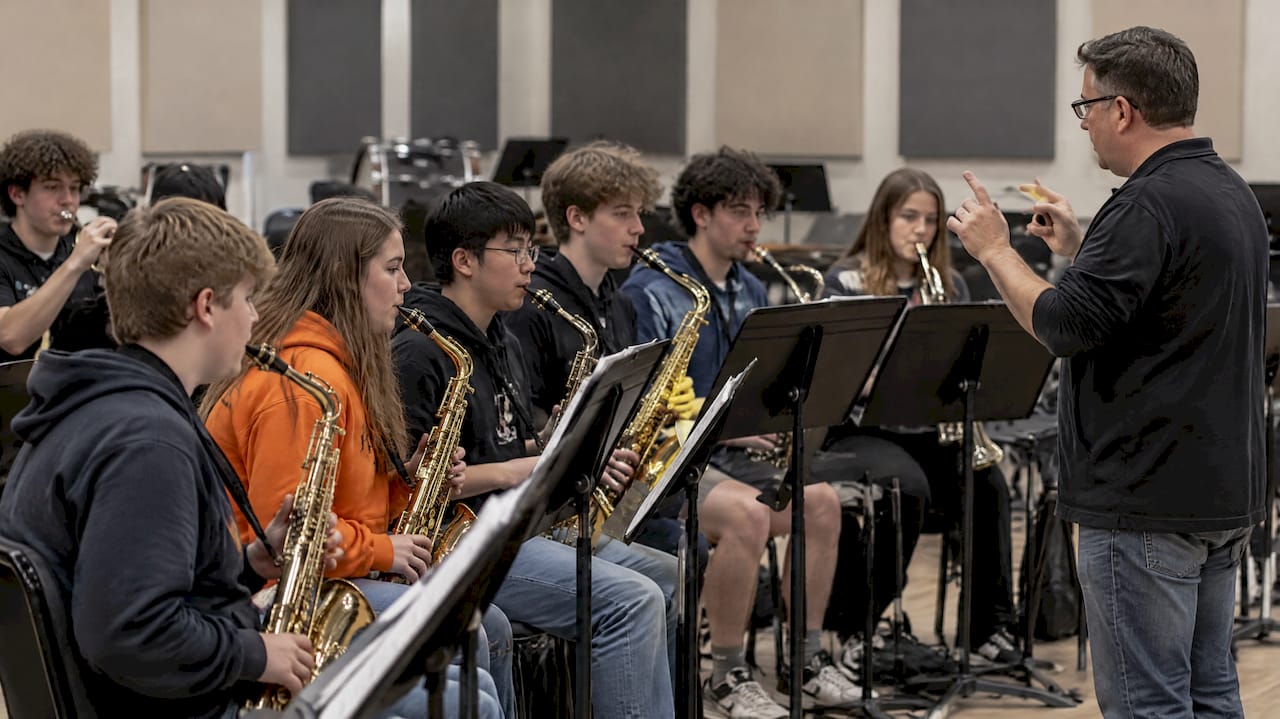
Adjudicated performance tour festivals give directors a timed stage performance, written and recorded adjudicator comments, and an on-stage clinic in one session. Most programs follow a predictable sequence: warm-up, performance, feedback, clinic. When directors treat that sequence as an instructional cycle rather than a single judgment, the recordings and comments become rehearsal material for weeks afterward.
TL;DR:
- Request the rubric before choosing repertoire; panels commonly include three genre specialists, while show choir and a cappella formats may score visual performance separately.
- Start preparation six to eight weeks out by matching repertoire to rubric strengths, then schedule sectional recordings, a simulated stage run, and regular sight reading.
- After the clinic, note the adjudicator’s priorities, review audio before sharing it, choose three targets from the rubric, and record the ensemble again next week.
- Competitive festivals rank ensembles, showcases give feedback without rankings, and parades emphasize visibility; confirm transport, stage sound, chaperone roles, and absence rules before registering.
Table of Contents
- What happens during an adjudicated performance session
- Who adjudicates and how performances are scored
- Building a prep timeline tied to the rubric
- Turning adjudicator feedback into classroom work
- Choosing the right festival format for your goals
- Why festivals work best as checkpoints, not verdicts
- Let Group Travel Network handle the festival tour logistics
- FAQ
- Sources
What happens during an adjudicated performance session
A typical festival block runs through a fixed warm-up window, a timed performance set, and a clinic led by one of the adjudicators, a sequence most festival programs list alongside warm-up time, performance windows, and score sheets. Warm-up time is usually short, so directors need a tuning and physical-warm-up routine that works in a hallway or holding room, not just a rehearsal hall.
During the performance itself, ensembles typically present one to two contrasting pieces within a set time limit, after which adjudicators deliver both recorded and written comments, and often a short on-stage clinic follows immediately.
A few things worth locking down before the bus even leaves:
- Confirm who sets up stands, risers, percussion, and piano, and whether festival staff or your own students handle the move.
- Pack spare reeds, strings, drumheads, and a basic repair kit since on-site options are usually limited.
- Ask the host festival for exact warm-up and performance windows so your schedule matches theirs, not an estimate.
- Assign one adult to collect written score sheets and secure the audio or video recording before leaving the venue.
Right after the clinic, have a staff member or older student jot down the adjudicator’s top priorities while they are still fresh. That quick note often matters more later than the official written comments, because it captures tone and emphasis that a page of checkboxes cannot.
Who adjudicates and how performances are scored
Festival panels typically include three clinicians with direct experience in your ensemble’s genre, and some adjudication guides note that judges are often selected or approved through festival governance and expected to remain impartial, sometimes coming from outside the host region to avoid conflicts of interest, according to the AACTFest adjudication guide (opens in a new tab). Knowing who is on the panel, and asking in advance, helps you anticipate what they will listen for.
Most rubrics break scoring into recognizable categories rather than a single overall number. The ACDA auditioned-choirs rubric (opens in a new tab) evaluates performances across tone and vocal production, musical interpretation, diction, ensemble skills, and repertoire considerations, using level-based scoring rather than a flat percentage.
Transparent, category-based rubrics give directors specific rehearsal targets instead of a single score to interpret. That is the real value of requesting the rubric before the festival: you can rehearse toward tone, intonation, or ensemble balance directly rather than guessing what pulled a score down.
Expect these common categories across most instrumental and choral rubrics:
- Tone, intonation, and blend across sections.
- Rhythm, tempo stability, and technical accuracy.
- Interpretation, phrasing, and musical expression.
- Ensemble skills such as balance, blend, and attack and release together.
Contemporary a cappella and show choir formats often add separate visual categories alongside the musical ones, so directors working in those formats should request the specific rubric their festival uses rather than assuming a standard choral or band rubric applies, a distinction raised in NAfME’s adjudication overview (opens in a new tab).
Building a prep timeline tied to the rubric
Start with the rubric, not the repertoire. Choosing pieces that showcase your ensemble’s actual strengths, rather than the most impressive-looking score, is the first recommendation in NAfME’s adjudication checklist, and it sets up everything that follows.
From there, a workable timeline looks like this:
- Eight to six weeks out: finalize repertoire against the rubric categories and begin initial learning.
- Five to three weeks out: polish sectionals and record run-throughs to catch balance and intonation issues early.
- Two to one week out: rehearse a simulated stage performance including entrances, spacing, and equipment moves.
- Final days: schedule short, regular sight-reading practice, since most adjudicated formats include a sight-reading component.
- Festival week: review recordings as a staff before sharing them with students, checking for appropriateness and audio clarity first.
This sequence mirrors the rehearsal-to-assessment schedule in the Ensemble Adjudication Best Practices checklist, which pairs each prep phase with specific on-stage tactics, from handling applause to avoiding electronic tuners during the performance.
Pro Tip: Rehearse in a space that mimics the performance hall’s layout at least once before the festival. Stage logistics, not musical weaknesses, cause most avoidable mistakes.
Turning adjudicator feedback into classroom work
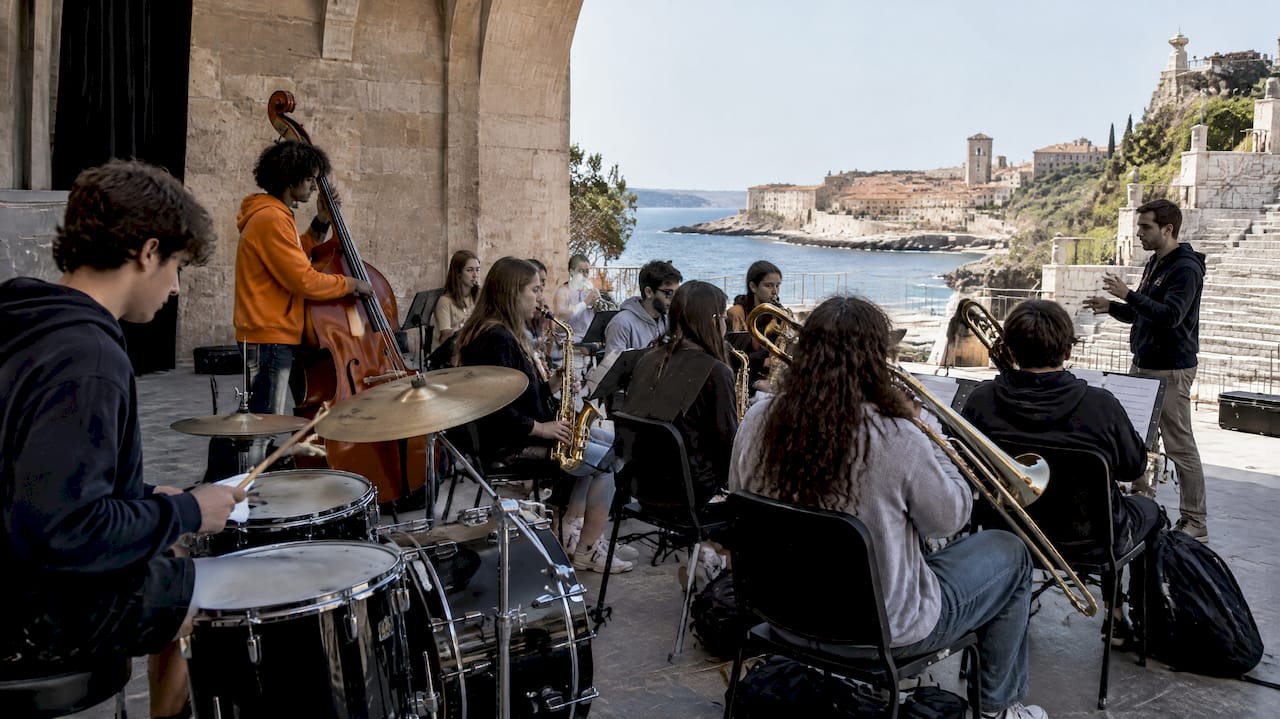
Adjudication works best as an instructional cycle, not a one-time verdict. Listen to the recordings yourself before playing them for students, checking for audibility and appropriate content, a step NAfME’s checklist specifically recommends before sharing comments with the full ensemble.
From there, resist the urge to fix everything at once:
- Pick three short-term rehearsal targets drawn directly from rubric categories, such as intonation, balance, or phrasing.
- Assign section-level practice goals tied to each target rather than a general “play better” note.
- Record a short follow-up run-through the week after the festival to measure movement on those three targets.
- Share written comments and ratings with administration or the wider school community once students have processed them first.
Involving students directly in listening sessions, asking them to identify one thing the adjudicator heard that they also notice, builds the kind of reflective ear that outlasts any single festival.
Pro Tip: If a written comment is vague or contradicts the recording, most festivals allow directors to contact the adjudicator or host organization for clarification. Use that option before guessing.
Choosing the right festival format for your goals
Not every adjudicated event serves the same purpose. Competitive festivals rank ensembles against a rubric and other groups, non-competitive showcases provide feedback without rankings, and parades, bowl-game performances, and invitational honor events emphasize visibility or recognition over comparative scoring. Matching the format to your program’s current goals matters more than chasing the most prestigious name on the circuit, a point worth considering alongside our overview of student performance tour types (opens in a new tab).
Before registering, confirm these logistics with event organizers:
- Instrument and percussion transport, including load-in and load-out windows.
- Stage acoustics and whether a sound check or line check is available.
- Chaperone-to-student ratios and which staff or parents cover which roles.
- School administration notification requirements for multi-day absences.
Format also changes preparation. A parade performance demands different stamina and spacing work than a seated concert adjudication, so build your rehearsal plan around the actual event type once it is confirmed.
Why festivals work best as checkpoints, not verdicts
The strongest programs use adjudicated festivals the way a good coach uses a scrimmage: as a checkpoint inside a longer development plan, not a final grade on the semester. A single score tells you less than three rubric-linked action items you can rehearse next week. Having coordinated performance tours for school ensembles, we have seen that directors who build festivals into a repeating cycle, prepare, perform, debrief, adjust, get more out of the clinic time than those chasing a single high rating.
— Donovan
Let Group Travel Network handle the festival tour logistics
Planning the music is your job. Planning the bus schedule, hotel blocks, meal stops, and festival registration paperwork does not have to be. Our Performance Tours (opens in a new tab) service pairs your ensemble with a dedicated trip coordinator who handles instrument and equipment logistics, festival registration assistance, online registration and flexible payment plans, and travel protection options, so your prep time goes toward rehearsal, not spreadsheets.

Reach out as soon as your repertoire and target festival are set, ideally in that eight-to-six-week window from the prep timeline above, so travel and registration details are locked in well before the performance date. For recordings you will want to revisit all season, a service like Multicam at ICMP can capture clean multicam footage alongside the adjudicator’s own recording.
Request a quote on our Performance Tours page and let us build the logistics around your rehearsal calendar.
FAQ
What does an adjudicated performance festival actually include?
A standard session includes a warm-up window, a timed stage performance, written and recorded adjudicator comments, and an on-stage clinic led by one of the judges. Many programs also include a sight-reading component as part of the overall adjudication.
How many adjudicators typically judge a performance?
Festival panels commonly include three clinicians with experience in the ensemble’s specific genre, chosen in part for impartiality and sometimes brought in from outside the host region according to the AACTFest adjudication guide. Directors can usually ask organizers in advance who will be adjudicating.
What rubric categories should directors prepare for?
Most rubrics score tone and vocal production, intonation, rhythm, interpretation, diction, and ensemble skills, following the structure used in the ACDA auditioned-choirs rubric. Contemporary and show choir formats often add separate visual categories alongside the musical ones.
How far in advance should we start preparing repertoire?
A workable timeline starts six to eight weeks out with repertoire selection tied to the rubric, followed by sectional recordings and a simulated stage run-through in the final two weeks, based on the sequence in the Ensemble Adjudication Best Practices checklist. Sight-reading practice should run on a regular schedule throughout that period, not just at the end.
Can Group Travel Network help coordinate a festival tour’s travel logistics?
Yes, our Performance Tours service includes festival registration assistance, a dedicated trip coordinator, instrument logistics support, and flexible payment plans. Directors typically reach out once repertoire and target festival dates are confirmed so travel details are set well ahead of the performance.
Recommended
- Three Part Rehearsal Scheduling System For School And Student Tours (opens in a new tab)
- Main Types Of Student Performance Tours For Schools (opens in a new tab)
- Avoid Tour Chaos: Director’s Playbook For Choir Performance Tours (opens in a new tab)
- 90 Day Band Performance Tour Playbook For School Directors (opens in a new tab)