

July 10, 2026
The Role of Travel Community Building in Education
TL;DR:
- Travel community building transforms group travel into meaningful cultural exchanges that enhance student learning. It fosters collaboration, cultural understanding, and long-term engagement while benefiting host communities economically and culturally. Effective strategies include defining shared values, using digital platforms, assigning roles, and maintaining alumni involvement.
Travel community building is defined as the practice of cultivating connection, shared purpose, and belonging among travelers and host communities to create meaningful, lasting experiences. For educators and community leaders, this practice transforms group travel from a logistical exercise into a vehicle for deep cultural exchange and collaborative learning. The role of travel community building in educational programs is not incidental. It is the structural difference between a trip students forget and one that shapes how they see the world. Organizations like Grouptravelnetwork have built their entire model around this principle, designing programs where community is the curriculum.
How does travel community building enhance collaboration in educational programs?
Travel community building enhances collaboration by creating shared experiences that require students to depend on each other, communicate across differences, and solve problems together. These are not skills you can teach from a textbook. They emerge when students navigate unfamiliar environments as a group.
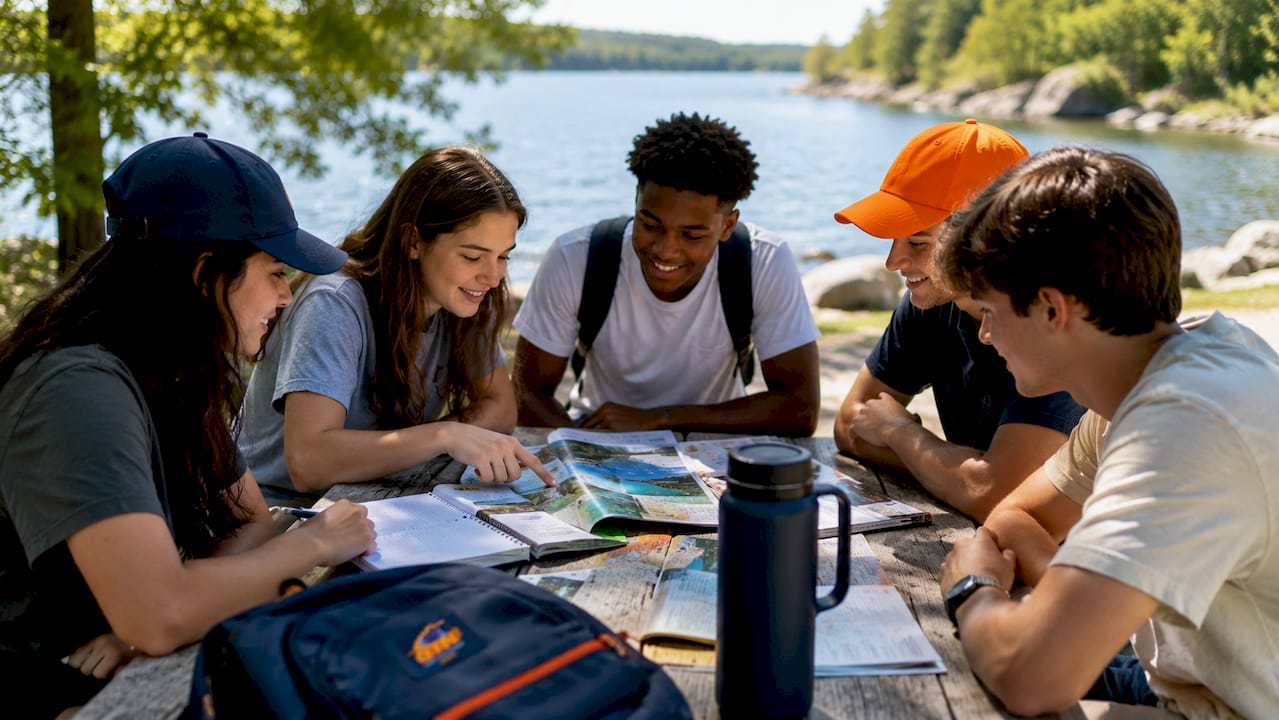
Shared challenges and activities in group travel foster deeper friendships and social learning. The duration and intensity of shared experiences are the key variables. A three-day trip where students cook with a local family, perform in a foreign venue, or volunteer at a community project produces interpersonal bonds that outlast the trip itself.
The data on engagement is equally clear. Active travel community members book trips 2.3 times more frequently and stay loyal 40% longer than non-members. That pattern applies directly to educational programs. Students who feel they belong to a travel community return for future trips, recruit peers, and become program advocates.
Community-driven travel also produces measurable learning outcomes. Participants in community-driven travel report a 72% increase in cultural understanding compared to standard tours. That gap reflects the difference between observing a culture and actually engaging with its people.
- Interpersonal skill development: Students practice negotiation, empathy, and active listening in real situations, not simulated ones.
- Teamwork under pressure: Navigating delays, language barriers, or unfamiliar customs builds group cohesion faster than any classroom exercise.
- Cultural literacy: Direct contact with host communities replaces stereotypes with nuanced understanding.
- Peer mentorship: Experienced student travelers naturally guide newer participants, reinforcing their own learning in the process.
Pro Tip: Design at least one structured group challenge per travel day, such as a community service project or a collaborative cultural activity. Structured shared challenges accelerate bonding and give students a concrete memory to anchor their learning.
Why does community travel matter for host destinations?
The economic and cultural importance of building travel networks for host communities is substantial and often underestimated by educators planning trips. Community-based tourism is not just a feel-good framework. It is a model with documented financial outcomes.
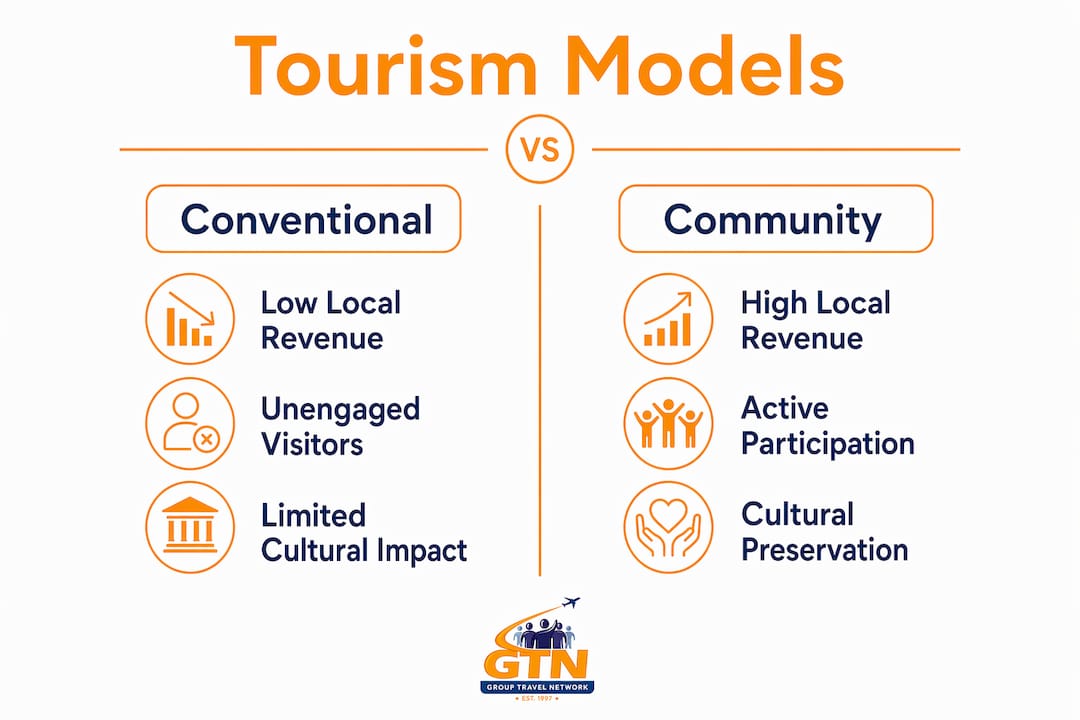
Community-based tourism models retain over 70% of revenue locally, compared to far lower rates in conventional mass tourism. Local income increases up to 45% in regions with successful community tourism programs. That money funds schools, healthcare, and infrastructure in the very communities students visit.
Cultural preservation is equally significant. When host communities control the terms of engagement, they decide which traditions to share, how to share them, and what remains private. This prevents the tokenism that erodes authentic culture in heavily commercialized destinations.
“Community-driven travel creates a structural transition that promotes authentic cultural exchange and local empowerment. When travelers participate rather than consume, host communities gain agency over their own story.”
The table below shows the contrast between conventional tourism and community-based models across key outcome areas.
| Outcome area | Conventional tourism | Community-based tourism |
|---|---|---|
| Revenue retained locally | Low (often under 30%) | Over 70% |
| Cultural control | Managed by external operators | Controlled by host community |
| Local employment | Limited, often seasonal | Broad, year-round participation |
| Student learning depth | Surface-level observation | Active cultural participation |
| Long-term community benefit | Minimal | Documented income growth up to 45% |
Over 60% of craft enterprises report growth directly attributed to cultural preservation efforts tied to community tourism. For educators, this means the trips you design can generate real economic benefit for the communities your students visit, not just memories for the students themselves.
What are the best strategies for building travel communities in education?
Effective travel community building in educational settings follows a clear structure. The most successful programs share four characteristics: a defined community identity, consistent engagement before and after travel, peer leadership roles, and a deliberate avoidance of purely commercial framing.
-
Define your community’s shared values. Before any trip, articulate what your group stands for. Is it cultural respect? Environmental responsibility? Artistic exchange? Students who understand the “why” behind a trip engage more deeply with the “what.”
-
Use digital platforms to build connection before departure. Pre-trip forums, shared photo albums, and group messaging channels let students begin forming bonds before they board a plane. Effective travel communities integrate offline and online experiences, engaging local stewardship through co-designed workshops and ambassador-led forums.
-
Create visible roles within the group. Assign students as cultural liaisons, journal keepers, or group photographers. Visible roles give students ownership and create natural peer leadership. Turning participants into advocates relies on rhythm and invitation through structured events and visible member roles that foster belonging.
-
Maintain engagement after the trip. Alumni networks are one of the most underused resources in educational travel. Former participants who mentor current students extend the community’s life and deepen its culture. Communities reduce support burden by enabling peer assistance, and experienced travelers naturally assist newcomers, enhancing overall engagement.
-
Avoid commercial framing. The moment a community feels like a sales funnel, trust collapses. Keep the focus on shared experience and cultural exchange, not on upselling future trips.
Pro Tip: Schedule a community debrief within two weeks of returning from any trip. Students who reflect on their experiences in a structured group setting retain cultural learning far longer than those who return without a formal close.
For practical guidance on structuring these programs, Grouptravelnetwork’s resources on school group travel engagement offer a useful framework for educators building their first community-focused itinerary.
How do you overcome the common pitfalls of travel community building?
The biggest threat to any travel community is over-commercialization. When a program prioritizes bookings over belonging, it loses the trust that makes community travel work. Successful community leaders treat moderation as cultural preservation, creating sub-groups to maintain authentic discussions and avoiding content that feels promotional or transactional.
Educators face a specific version of this challenge. Institutional pressure to fill seats and generate revenue can push programs toward quantity over quality. The solution is to build community metrics into your program evaluation, not just enrollment numbers.
Key pitfalls to monitor and address:
- Tokenism: Presenting host cultures as entertainment rather than living traditions. Counter this by co-designing itineraries with community members, not just local vendors.
- Tourism leakage: Spending that flows out of the host community through international hotel chains or foreign-owned operators. Prioritize locally owned accommodations and guides.
- Passive participation: Students who observe but never engage. Structure every activity to require interaction, contribution, or creation.
- Community fatigue: Host communities that are over-visited lose the authenticity that made them valuable destinations. Rotate destinations and limit group sizes.
Travel shifts from consumption to participation require intentional design that emphasizes community ownership and ethical sustainability. For educators, intentional design means writing community values into your trip planning documents, not just your marketing materials.
Grouptravelnetwork’s approach to educational group travel addresses these pitfalls directly by building cultural participation into every itinerary, not treating it as an optional add-on.
Key Takeaways
Travel community building is the most reliable method for converting educational group travel into lasting cultural competence and genuine collaboration among students.
| Point | Details |
|---|---|
| Community drives learning outcomes | Participants in community-driven travel report 72% higher cultural understanding than standard tour participants. |
| Economic impact is measurable | Community-based tourism retains over 70% of revenue locally, directly benefiting host schools and infrastructure. |
| Engagement outlasts the trip | Active community members stay loyal 40% longer and participate more frequently in future programs. |
| Peer roles accelerate bonding | Assigning visible student roles creates ownership and natural mentorship within the group. |
| Ethical design protects trust | Avoiding commercial framing and tokenism preserves the community trust that makes these programs work. |
Why I think most educational travel programs underestimate community
Most trip planning conversations I have with educators start in the same place: logistics. Bus schedules, hotel blocks, permission slips. Those details matter, but they are not what students remember five years later.
What students remember is the moment they shared a meal with a family in a different country, or the afternoon they performed for an audience that had never heard their school’s music before. Those moments do not happen by accident. They happen because someone designed the program to create them.
The educators who run the most impactful programs treat community building as a discipline, not a bonus. They think about who their students will meet, how those meetings will be structured, and what students will do with the experience when they get home. They also think about what the host community gets out of the exchange, not just what their students take away.
The social development outcomes of well-designed group travel are real and documented. The programs that produce them are not the ones with the most impressive destinations. They are the ones with the most intentional community design. If you are an educator reading this, that is the lever worth pulling.
— Donovan
How Grouptravelnetwork supports travel community building
Grouptravelnetwork specializes in designing educational group travel programs where community is built into every stage of the trip, from pre-departure preparation to post-trip alumni engagement.
Their school group travel planning guide walks educators through the full process of creating itineraries that prioritize cultural participation, peer connection, and host community benefit. Dedicated trip coordinators handle logistics so educators can focus on the community experience itself. Flexible payment plans and travel protection options make these programs accessible to a wider range of schools and youth organizations. For educators ready to build a travel community that students carry with them long after the trip ends, Grouptravelnetwork provides the structure to make it happen.
FAQ
What is travel community building in education?
Travel community building in education is the practice of designing group travel programs that create lasting connections among students, educators, and host communities. It prioritizes cultural participation and shared experience over passive sightseeing.
How does community travel improve student learning?
Participants in community-driven travel report a 72% increase in cultural understanding compared to standard tours. Shared challenges and structured cultural activities accelerate both social learning and academic retention.
What makes a travel community sustainable long-term?
Sustainable travel communities avoid commercial framing, rotate leadership roles among members, and maintain regular engagement between trips. Peer mentorship from alumni participants is one of the most effective tools for long-term community health.
How does community-based tourism benefit host communities?
Community-based tourism retains over 70% of revenue locally and has documented local income increases of up to 45% in successful programs. Host communities also gain control over how their culture is presented and shared.
How can educators start building a travel community for their school?
Start by defining your group’s shared values, then create structured pre-trip and post-trip engagement using digital platforms and alumni networks. Grouptravelnetwork’s planning resources offer a practical starting point for educators new to community-focused travel design.
Recommended

Relax with our Student Travel Expertise .
We deliver stress-free student trips backed by an exceptional array of services you won’t find anywhere else:
- Stress-free, creative planning of customized itineraries
- Dedicated GTN Service host on every trip
- Extensive travel protection plan options
- Online, individual registration system
- Flexible payment plans and online payment options
- Bulk buyer discounts for great trips that cost less
Inclusion into #MyGTNFamily for life! (you don’t even have to remember our birthday!)
Spain
There is no place like Spain to offer a student performance opportunity or cultural student trip.
Myrtle Beach
All students love the beach! Especially a beach known for its 60 miles of pristine coastline.
Boston
Have your students experience colonial charm in the city that is considered the hub of New England.
London
Provide your student group with the “Royal” treatment! One of the world’s most recognized cities.
See What People Are Saying
“This was my first time using a company to plan our band trip. It was so easy working with Justin and Group Travel Network. We had to make several changes along the way, but they were accommodating changes and worked everything out for us. I would highly recommend using Group Travel Network.”
“It has been my privilege to use Group Travel Network as the exclusive travel coordinator for my band for over 10 years. I can say, without doubt or hesitation, that GTN is, by far, the best travel company for student groups currently in existence. I have often said that I wouldn’t take my band across the street without GTN and that’s not far from the truth!”
“What wonderful trip we had to NYC! Our group of 51 never missed a beat because of Group Travel Network and our wonderful guide, Tim. It was truly a theatre trip to remember! If you are looking for a travel company who really cares about the details, Group Travel Network is for you!”