

May 28, 2026
How to Design Educational Itineraries That Actually Teach
TL;DR:
- Effective school trips require clear learning goals aligned with curriculum standards and detailed, trip-specific planning to ensure both safety and educational impact.
- Teachers must facilitate active student engagement at each stop through specific tasks and maintain flexibility with scheduling and on-site adjustments for optimal learning experiences.
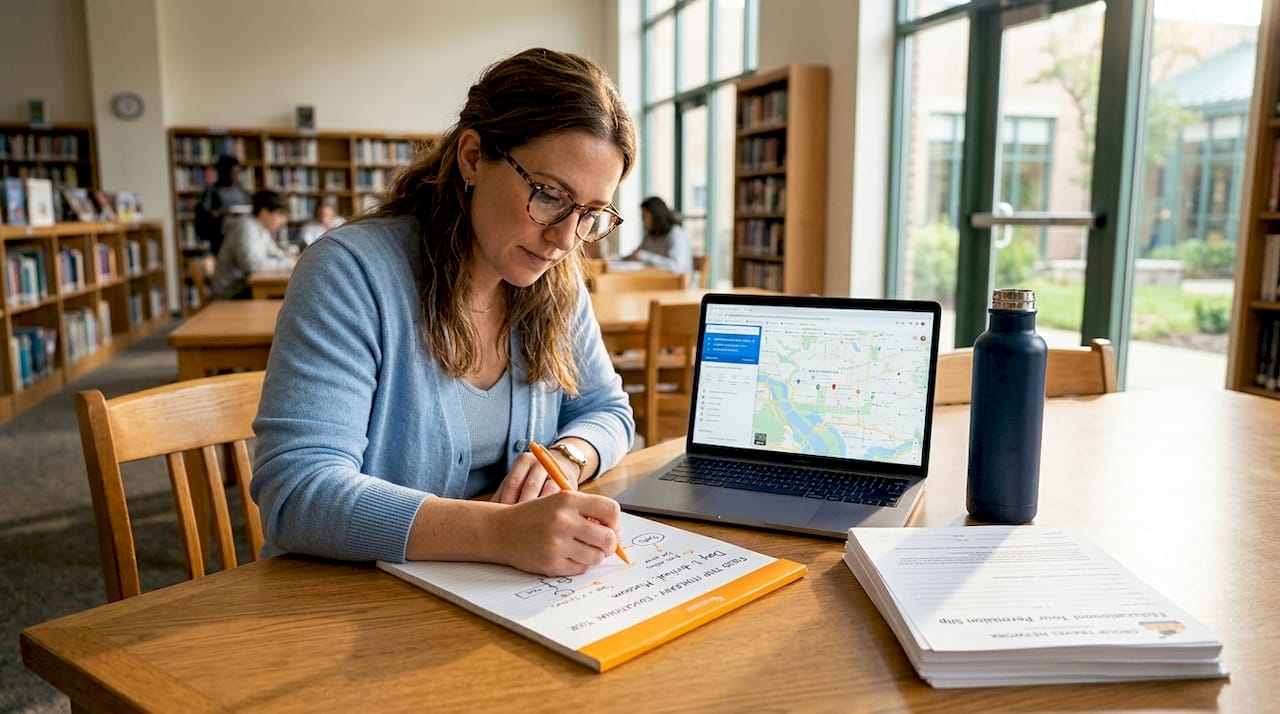
Every teacher who has planned a school trip knows the feeling: you have a destination, a date, and a bus. Then the real work begins. Knowing how to design educational itineraries that go beyond sightseeing and actually produce measurable learning is where most plans fall short. The gap between a logistics checklist and a genuinely educational experience comes down to intentional design. This guide gives you a practical, step-by-step framework for creating educational trips that serve your curriculum, protect your students, and hold up under administrative scrutiny.
Table of Contents
- Key takeaways
- How to design educational itineraries: start with learning goals
- Pre-trip preparation: safety, logistics, and inclusion
- Steps for itinerary design: destinations, scheduling, and balance
- On-trip facilitation: teaching, not just supervising
- Post-trip processing: reflection and refinement
- My honest take on where most itineraries break down
- How Grouptravelnetwork makes this easier for you
- FAQ
Key takeaways
| Point | Details |
|---|---|
| Start with learning goals | Define specific curriculum-aligned objectives before choosing any destination or activity. |
| Risk management is not optional | Every trip requires a written, trip-specific risk assessment with control measures and staff roles. |
| Design student tasks, not just stops | Concrete inquiry prompts and group tasks at each location turn visits into active learning. |
| Balance matters in daily scheduling | Scheduled free time and rest periods prevent fatigue and maintain student engagement throughout. |
| Post-trip reflection deepens learning | Structured debriefs and project assignments extend the educational value long after the bus returns. |
How to design educational itineraries: start with learning goals
The single biggest mistake trip planners make is choosing a destination first and writing the educational rationale second. Flip that order and everything else gets easier.
Before you book anything, define the specific learning outcomes you want students to reach. Not vague intentions like “appreciate history,” but concrete, assessable goals: “Students will identify three examples of civic architecture from the Progressive Era and connect them to their textbook unit on reform movements.” That level of specificity tells you which museum is worth a half-day and which is a distraction.
UDL principles recommend starting with clear goals and building flexible pathways for all learners to access content and demonstrate understanding. Applied to trip planning, this means designing around outcomes first, then selecting destinations and activities that serve those outcomes for every student in your group. Not just the students who can walk through a gallery unassisted or read every exhibit panel independently.
Here is a practical checklist for this phase:
- Write 2 to 4 specific learning objectives tied to current curriculum standards
- Map each destination or activity to at least one objective
- Identify how students will demonstrate learning at each stop (observation notes, sketches, group discussion, structured questions)
- Build in multiple access points for students with different learning needs
- Review objectives with co-teachers or department heads before finalizing
Pro Tip: Bring your learning objectives to every vendor call and site visit. If a venue representative cannot tell you how their program connects to your stated goals, that is a signal to keep looking.
Aligning your destinations with curriculum standards also makes the case to administrators and parents much stronger. When your itinerary packet reads like an extension of your syllabus rather than a field day, approval gets faster and funding gets easier to justify.
Pre-trip preparation: safety, logistics, and inclusion
Once your educational goals are clear, the preparation phase is where trips succeed or fall apart. This is not paperwork for paperwork’s sake. Done right, it protects your students, protects you legally, and sets the tone for a well-run experience.
Legal guidance emphasizes that every educational trip must be underpinned by a written, trip-specific risk assessment. That means identifying hazards for this specific route, these specific students, and these specific activities. A generic school travel template is a starting point, not a finished document. You need to evaluate likelihood and severity, define control measures, and assign accountability to named staff members.
“Legal safety expectations for school trips require trip-specific risk assessments, clear staff roles, and documented emergency plans integrated into the itinerary, underpinned by diligence and sound judgment.”
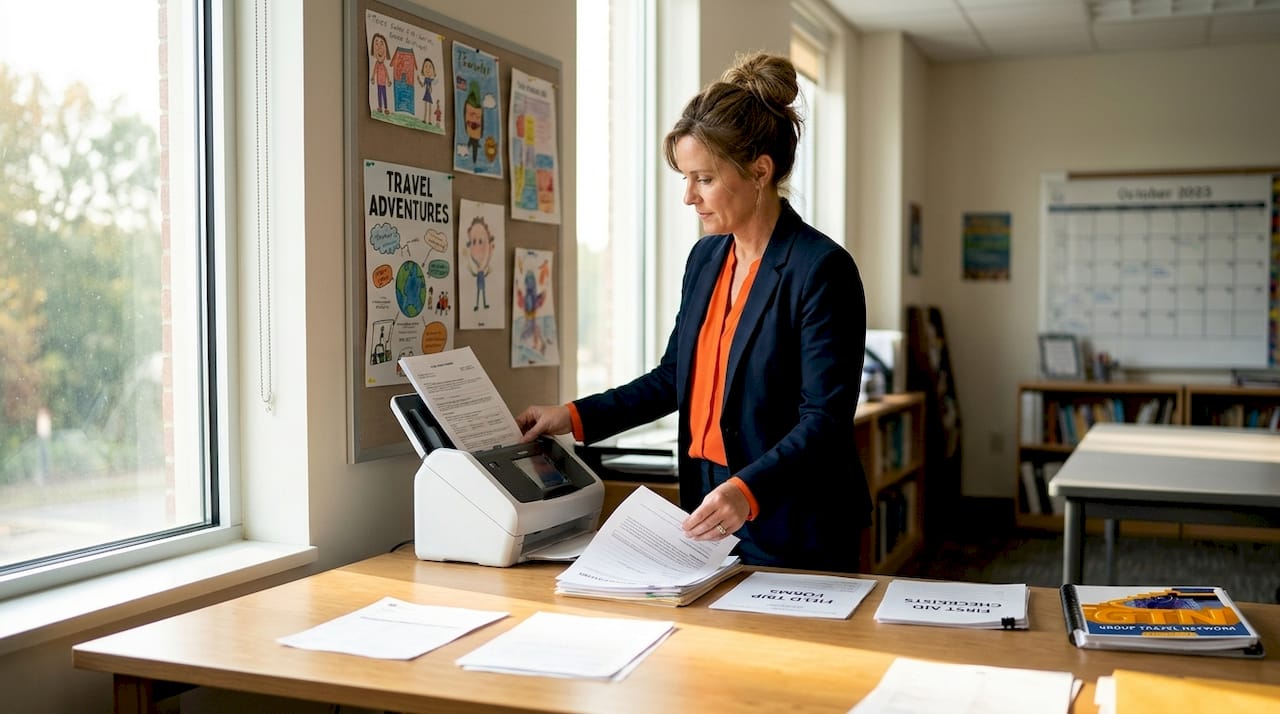
Your preparation packet should include the following before any trip leaves the parking lot:
- Written risk assessment with hazards, controls, and responsible staff named
- Emergency protocols with contact chains and hospital locations along the route
- Roles and responsibilities clearly assigned to each supervising adult
- Individual student health and behavior summaries for all staff, not just the lead teacher
- Parental consent forms that describe the specific activities students will participate in
- Pre-trip briefing notes for students covering expectations, safety rules, and the learning agenda
Inclusion planning deserves its own line of attention. Under Section 504, schools are required to include students with disabilities in school trips unless a serious health or safety risk cannot be mitigated through reasonable accommodations. That means nurse aides, modified schedules, and behavior support plans are all tools you may need to deploy. Inclusion planning should start at the goal-definition phase, not the week before departure.
For safe student group travel, the documentation you assemble during preparation also serves as your accountability record if anything goes wrong. That protects you, your school, and your district.
Pro Tip: Run a pre-trip briefing with students that includes a walkthrough of the itinerary, a review of emergency protocols, and a preview of the learning tasks. Students who know what to expect behave better and learn more.
Steps for itinerary design: destinations, scheduling, and balance
This is where designing learning experiences moves from strategy to structure. You have your goals and your safety documentation. Now build the day-by-day plan.
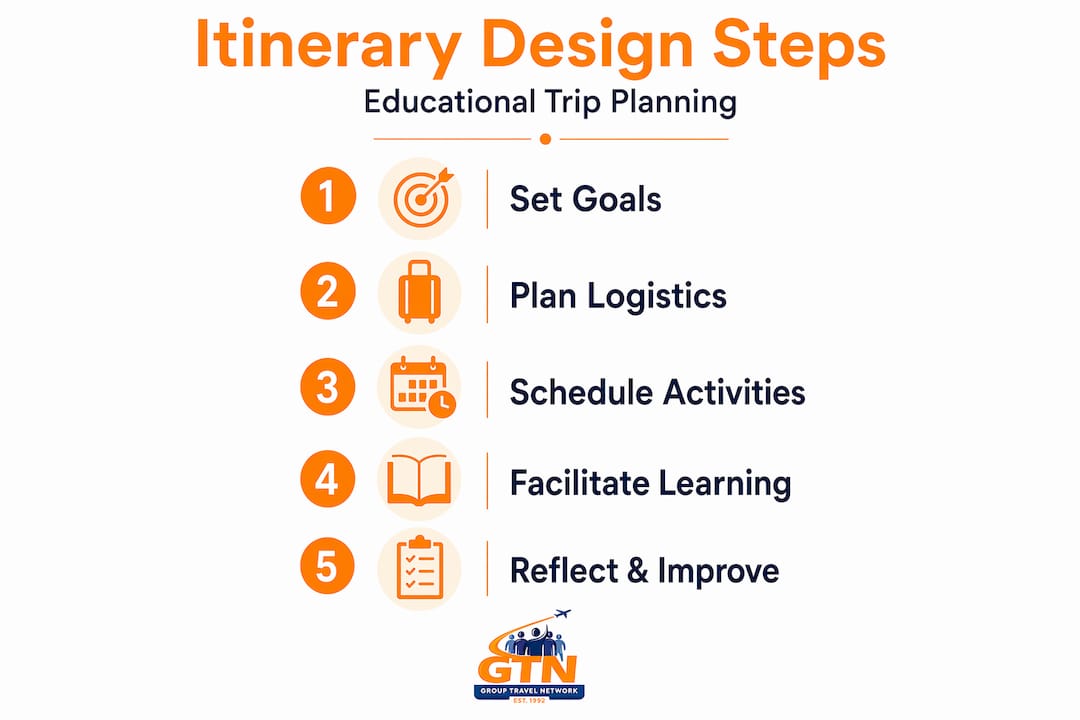
Start by treating your itinerary as a constrained optimization problem rather than a sequence of stops you fill in left to right. Research on systems like EduTrip shows that filtering locations by educational theme, group parameters, travel time, and activity variety before generating schedules produces more educationally meaningful and logistically feasible trips than guesswork-based sequencing.
Here is a numbered process that works in practice:
- List all candidate destinations and activities that map to your learning objectives
- Group them geographically to minimize unnecessary travel time between stops
- Assign each stop a time estimate including travel buffer, not just activity duration
- Sequence stops to build cognitive momentum (frontload challenging material, save lighter activities for post-lunch fatigue windows)
- Insert free time and rest periods deliberately, not as leftovers after you fill the schedule
- Check for repetition: if three consecutive stops all involve reading exhibit panels, redesign for variety
Scheduled free time is not wasted time. It is a tool for maintaining student engagement and wellbeing across multi-day trips. Students who are exhausted or overscheduled stop learning. That rest period after lunch buys you real attention during the afternoon session.
Here is a quick comparison of two scheduling approaches:
| Approach | What it looks like | Result |
|---|---|---|
| Sequence-based filling | Add stops until the day is full, rest is whatever remains | Fatigue, disengagement, missed learning goals |
| Constraint-first design | Set objectives, time limits, variety rules, then fill | Balanced days, higher retention, fewer behavior issues |
Pro Tip: Build a 20-minute buffer into every transition between stops. Groups always run longer than expected, and a buffer means you absorb delays without cutting learning time.
For educational itinerary ideas that go beyond the standard museum and monument circuit, consider adding structured interviews with site staff, student photography missions with guided prompts, or peer-teaching moments where student groups present their observations to each other.
On-trip facilitation: teaching, not just supervising
Your role during the trip is not chaperone. It is facilitator. That distinction shapes everything from how you brief students at each stop to how you respond when something goes off-plan.
Effective itineraries specify concrete student tasks at each location: inquiry prompts, group observation tasks, evidence-collection assignments. Learning happens through doing, not visiting. A student who spends forty minutes in a science museum with no task is a tourist. A student who spends thirty minutes answering three structured questions and discussing findings with a partner is a learner.
Practical facilitation strategies that work on the ground:
- Give each student group a specific role: note-taker, photographer, presenter, timekeeper
- Use short inquiry prompts at each stop (two to three questions maximum) rather than long worksheets
- Build in five-minute “group sync” moments where teams share one finding before moving on
- Keep a dynamic risk assessment mindset: adjust plans in real time if a site is unexpectedly crowded, a student is struggling, or weather changes the plan
- Stay visible and circulating rather than stationary. Students engage more when the teacher is moving through the space.
Pro Tip: Prepare a “fast finisher” task for each stop so engaged students always have somewhere to direct their energy. This prevents the behavior drift that comes from unstructured waiting time.
Post-trip processing: reflection and refinement
The trip ends. The learning should not. What you do in the week after the bus returns determines whether the experience becomes a memory or a curriculum milestone.
Here is a structured post-trip process that works across grade levels:
- Run a structured debrief with students within two days of returning. Use open questions: “What surprised you?” and “What would you change if you went back?” are more productive than a quiz.
- Assign a project or presentation that requires students to apply trip observations to a curriculum concept. A written comparison, a visual exhibit, a short documentary, or a peer-taught lesson all work.
- Collect feedback from students, chaperones, and parents using a short structured form. Ask what worked, what did not, and what they wish had been included.
- Document your lessons learned in a trip file. Note vendor reliability, timing accuracy, which stops delivered on their educational promise, and which fell flat.
- Use that file to refine your next itinerary. Over two or three trips, you build a library of what actually works for your specific group, grade level, and curriculum area.
The administration-ready itinerary packet you built before the trip becomes the baseline document for this review. Compare what you planned against what happened, and the gaps tell you exactly where to improve.
For schools building a repeatable field trip planning process, this documentation cycle is what separates one-off trips from a genuine program.
My honest take on where most itineraries break down
I have seen a lot of educational trip plans over the years, and the failure point is almost always the same. The stops are planned. The bus times are confirmed. The permission slips are filed. But nobody wrote down what the students are supposed to do at each location.
You cannot design learning itself, but you can design the conditions that make it possible. That means putting as much thought into the three questions students answer at the botanical garden as you put into booking the botanical garden. Most itineraries stop at the logistics. The best ones go one level deeper.
I also think risk management gets treated as a compliance box rather than a design input. When you integrate safety thinking into the itinerary from day one, rather than appending a risk form at the end, the whole plan gets tighter. You catch the stop that requires a long walk across an unsupervised area. You notice the venue that has no accommodation for a student who uses a wheelchair. Those catches do not happen when risk management is an afterthought.
My final observation: itinerary optimization tools are genuinely useful now, especially for multi-day trips with large groups. If you are still building schedules manually in a spreadsheet and wondering why the day always runs over, a constraint-based planning approach will change how you work.
Treat your itinerary as a living framework, not a fixed schedule. The best trips I have seen are the ones where the teacher had a plan and the confidence to adapt it on the ground.
— Donovan
How Grouptravelnetwork makes this easier for you
Planning an educational trip that checks every box, from curriculum alignment to risk documentation to student engagement tasks, takes significant time and expertise. Grouptravelnetwork works specifically with schools, administrators, and trip coordinators to take the logistical weight off your plate so you can focus on the learning design.

Whether you are building your first multi-day student trip or refining a program you have run for years, the school group travel planning guide gives you a step-by-step framework built for educators. For groups with specific educational objectives, the educational group trip guide covers itinerary design, risk management, and vendor coordination in detail. Grouptravelnetwork’s dedicated trip coordinators handle the logistics while you handle the teaching.
FAQ
What are the first steps for itinerary design?
Start by writing 2 to 4 specific learning objectives tied to your current curriculum before choosing any destination. Every stop should map to at least one objective, and students should have a concrete task at each location.
How do you balance learning and rest in a daily schedule?
Scheduled rest and free time are not optional extras. Build them into the schedule deliberately to prevent student fatigue and maintain engagement throughout the day, especially after lunch.
What does a complete educational trip risk assessment include?
A trip-specific written risk assessment must identify hazards, evaluate likelihood and severity, define control measures, and assign responsibility to named staff. Generic templates are a starting point, not a finished document.
Do schools have to include students with disabilities on field trips?
Yes. Under Section 504, schools must include students with disabilities unless a serious safety risk cannot be managed with reasonable accommodations such as nurse aides, schedule adjustments, or behavior support plans.
How do you evaluate whether an educational itinerary worked?
Run a structured debrief with students within two days of the trip, collect feedback from staff and parents, and document which stops delivered on their educational objectives. Use that file to improve future itineraries.
Recommended

Relax with our Student Travel Expertise .
We deliver stress-free student trips backed by an exceptional array of services you won’t find anywhere else:
- Stress-free, creative planning of customized itineraries
- Dedicated GTN Service host on every trip
- Extensive travel protection plan options
- Online, individual registration system
- Flexible payment plans and online payment options
- Bulk buyer discounts for great trips that cost less
Inclusion into #MyGTNFamily for life! (you don’t even have to remember our birthday!)
Spain
There is no place like Spain to offer a student performance opportunity or cultural student trip.
Myrtle Beach
All students love the beach! Especially a beach known for its 60 miles of pristine coastline.
Boston
Have your students experience colonial charm in the city that is considered the hub of New England.
London
Provide your student group with the “Royal” treatment! One of the world’s most recognized cities.
See What People Are Saying
“What wonderful trip we had to NYC! Our group of 51 never missed a beat because of Group Travel Network and our wonderful guide, Tim. It was truly a theatre trip to remember! If you are looking for a travel company who really cares about the details, Group Travel Network is for you!”
“This was my first time using a company to plan our band trip. It was so easy working with Justin and Group Travel Network. We had to make several changes along the way, but they were accommodating changes and worked everything out for us. I would highly recommend using Group Travel Network.”
“It has been my privilege to use Group Travel Network as the exclusive travel coordinator for my band for over 10 years. I can say, without doubt or hesitation, that GTN is, by far, the best travel company for student groups currently in existence. I have often said that I wouldn’t take my band across the street without GTN and that’s not far from the truth!”