

May 1, 2026
Student group trips: Plan unforgettable educational adventures

TL;DR:
- Well-planned student trips enhance learning, teamwork, and memorable experiences outside the classroom.
- Professional planning saves time, reduces hidden costs, and ensures safety with expert vendor relationships.
- Effective trip execution involves strategic destination choice, customized itineraries, reflection, and safety protocols.
Selecting the right student group trip can genuinely transform how students learn, connect, and grow. But the sheer volume of choices, vendor negotiations, safety protocols, and logistical details can overwhelm even the most seasoned school administrator or band director. Whether you’re coordinating your first overnight trip or your twentieth performance tour, the decisions you make during planning directly shape educational outcomes, student safety, and the memories your group carries for a lifetime. This article walks you through the essential criteria, compares your planning options, and gives you practical tools to make the best call for your school.
Table of Contents
- What makes student group trips successful?
- DIY vs professional trip planning: Pros, cons, and hidden challenges
- Handling safety, health, and incident risks
- Top recommendations for memorable student group trips
- Our perspective: Why investing in professional planning pays off
- Next step: Make your student group trip exceptional
- Frequently asked questions
Key Takeaways
| Point | Details |
|---|---|
| Trip criteria matter | Defining clear goals and safety protocols is essential for successful student group trips. |
| Professional help saves time | Experienced travel planners handle logistics and emergencies, letting educators focus on learning. |
| Incident risks are manageable | Most issues are minor, and the majority of students continue their trips after an incident. |
| Customized itineraries boost learning | Tailoring destinations and activities to curriculum brings educational experiences to life. |
| Next step resources available | Expert guides and planning tools are accessible for coordinators to organize memorable trips. |
What makes student group trips successful?
Not all trips are created equal. A well-planned student group trip does more than get students from point A to point B. It creates structured opportunities for learning outside the classroom, builds teamwork, and connects curriculum to real-world experiences. Understanding the core ingredients of a successful trip helps you evaluate every option you consider.
Group size, duration, and age matter more than you think. According to SYTA research, the average student group size ranges from 43 to 65 students, domestic trips average 4.1 days, and international trips run about 8.8 days, with high school students representing the primary market. These numbers matter because they influence everything from bus capacity and hotel room blocks to supervision ratios and meal planning. A group of 60 high schoolers on a 9-day international tour requires a fundamentally different logistical framework than 20 middle schoolers on a 2-day regional trip.
Destination selection is a strategic decision. The best trips align closely with what students are already studying. A history class visiting Washington, D.C. reinforces classroom lessons in a way no textbook can replicate. A band performing at a national festival builds musicianship and school pride simultaneously. When you match destination to curriculum, students arrive with context, engage more deeply, and retain more of what they experience.
Here are the key logistical concerns every coordinator must address before departure:
- Transportation: Charter buses, flights, or rail? Each mode has cost, safety, and scheduling implications.
- Lodging: Hotel room ratios, chaperone proximity to students, and accessibility requirements.
- Supervision ratios: Most schools require one adult per 10 students, but state and district policies vary.
- Safety protocols: Emergency contact systems, medical release forms, and on-site first aid access.
- Student engagement: Pre-trip assignments, guided reflection activities, and post-trip debriefs maximize learning.
Pro Tip: Build your educational objectives before you choose a destination. When the learning goals come first, the destination selection becomes much cleaner and easier to justify to parents and administrators.
For a detailed walkthrough of the planning sequence, the step-by-step planning for school trips guide covers everything from initial goal-setting through final departure checklists. You can also explore how safe educational journey coordination works when professionals handle the details.
DIY vs professional trip planning: Pros, cons, and hidden challenges
Understanding the criteria is one thing. Deciding who actually does the planning is another conversation entirely, and it’s one of the most consequential choices you’ll make.
The DIY appeal is real but misleading. On the surface, planning a trip yourself seems like a way to save money and maintain control. In practice, DIY planning consumes 200 or more hours of your time, often results in higher pricing because you lack the volume discounts that professional agencies negotiate, and creates blind spots in areas like insurance, vendor reliability, and contingency planning. Those 200 hours come directly out of your teaching, administrative, and personal time.
Here’s a direct comparison of both approaches:
| Factor | DIY planning | Professional agency |
|---|---|---|
| Upfront cost | Lower apparent cost | Higher initial investment |
| Time required | 200+ hours | Minimal coordinator time |
| Volume discounts | Rarely available | Routinely negotiated |
| Contingency support | Coordinator handles alone | Dedicated on-site support |
| Vendor vetting | Done by coordinator | Pre-screened partnerships |
| Insurance and liability | Often overlooked | Built into the package |
| Focus on education | Reduced by logistics | Fully preserved |
The hidden costs of DIY planning are where most coordinators get caught off guard. You might secure a hotel rate that seems competitive, only to discover later that a professional agency could have gotten the same rooms at 20% less through a long-standing vendor relationship. You might not realize your cancellation policy has a narrow window until a student gets sick three days before departure.
“The real cost of DIY isn’t the money. It’s the mental load that pulls you away from your students during the trip itself.” This is the reality that many first-time trip planners only understand after the fact.
Professional agencies that specialize in expert trip planning for schools bring something you simply cannot replicate on your own: institutional knowledge built across hundreds of trips. They know which hotels reliably accommodate large groups, which performance venues have student-friendly policies, and which bus companies have the safety records that hold up to scrutiny.
The 10 benefits of education travel go well beyond what most coordinators initially expect, and so do the 8 advantages for education that professional planning unlocks. When logistics are handled by people who do this every day, you get to be an educator on the trip, not a logistics manager.
Pro Tip: Before committing to DIY, track every hour you spend on trip planning for the first two weeks. Most coordinators hit 40 hours before they’ve finalized a single vendor contract. That number alone often changes the conversation.
Handling safety, health, and incident risks
Safety and contingency planning are equally important, and the data here is both reassuring and instructive.
The good news: serious incidents are relatively rare. According to Forum on Education Abroad research, the overall incident rate in education abroad is approximately 1 in every 65 students. Property loss is the most common issue at 1 in 129 students, followed by physical illness at 1 in 357, and mental health incidents at 1 in 775. Critically, 89% of students continue their programs after an incident occurs.
What this tells you is that the vast majority of trips go smoothly, but you absolutely need a plan for the minority that don’t. Here’s what experienced coordinators prepare for:
- Property loss: Lost luggage, stolen items, or damaged instruments. Travel protection policies and clear student accountability procedures reduce the impact.
- Physical illness: Quarantine protocols, access to urgent care facilities near lodging, and parent notification systems must be established before departure.
- Mental health situations: Students experiencing anxiety, homesickness, or emotional crises need a designated adult contact and a clear escalation path.
- Weather and government closures: Itinerary pivots require someone with authority and local contacts to rebook venues or transportation on short notice.
“The difference between a trip that recovers from a problem and one that falls apart is almost always the experience of the person managing it on the ground.”
Smart group travel management means having protocols in place before you need them. Experienced tour managers handle situations like norovirus outbreaks, lost equipment for a performance group, or sudden venue cancellations with a calm efficiency that only comes from having navigated those exact scenarios before. When you understand how student group travel transforms education, you also understand why protecting that experience from disruption is worth investing in.
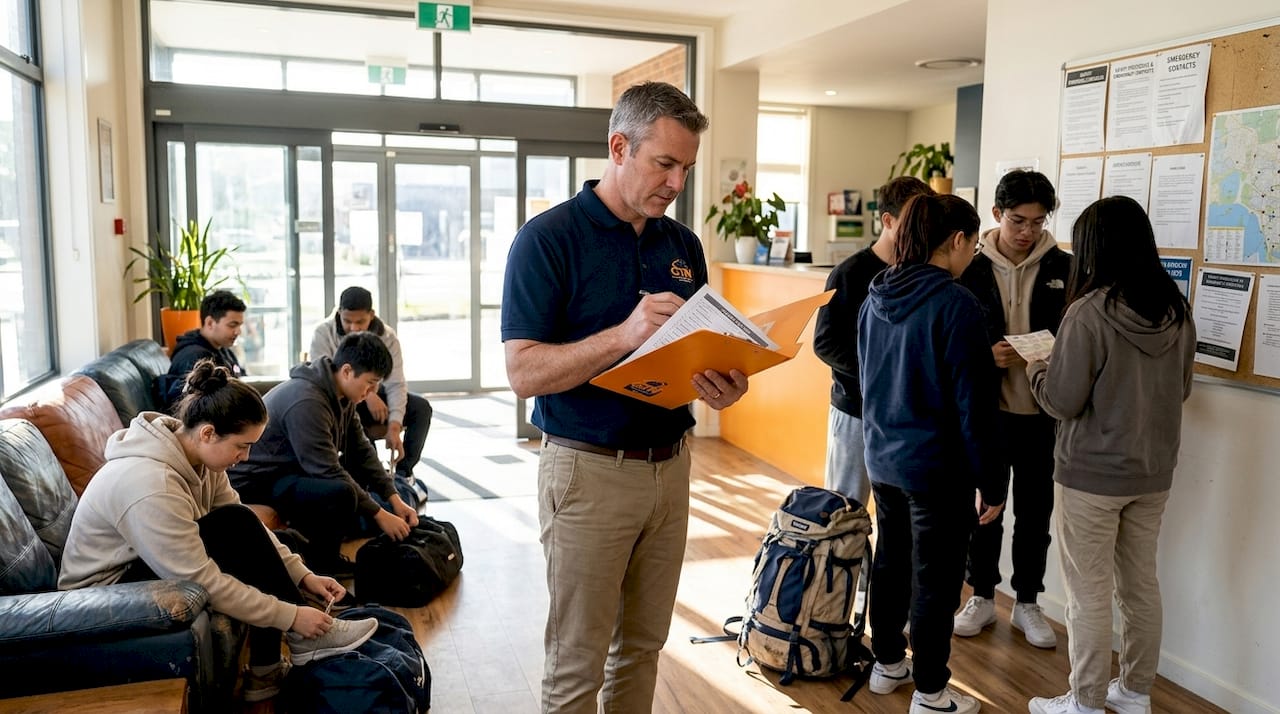
The incident data also reinforces a critical point: most incidents are manageable, not catastrophic. A student losing a phone or experiencing a mild illness does not have to derail the entire trip. It requires a clear response, not a crisis. That response is far more reliable when a professional coordinator is on-site.
Top recommendations for memorable student group trips
With risks managed and planning frameworks in place, the focus shifts to making the trip genuinely exceptional. Here’s how to build an experience students will talk about for years.
-
Choose destinations with layered learning opportunities. The best destinations offer multiple educational angles. New York City works for music, history, theater, and social studies simultaneously. Washington, D.C. serves civics, history, and government. National parks connect to environmental science, geology, and outdoor leadership. Layered destinations give every student a point of connection.
-
Customize the itinerary to your curriculum. A generic tour package rarely delivers the same impact as a customized itinerary. Work with your planning partner to build in site visits, workshops, or performances that directly extend what students are learning in class. A pre-trip reading list or assignment creates context before students even board the bus.
-
Use a pre-departure logistics checklist. Confirm every vendor at least 30 days out. Verify rooming lists, dietary restrictions, medical forms, and emergency contacts. Assign specific chaperones to specific student groups. Distribute printed itineraries to all adults, not just digital copies.
-
Build in reflection time. Structured reflection, whether through journaling, group discussion, or a post-trip presentation, significantly increases how much students retain from the experience. Even 15 minutes of guided reflection each evening on a multi-day trip produces measurable gains in engagement.
-
Plan for different learning styles. Some students thrive in museum environments. Others engage more deeply through hands-on activities, performances, or community interactions. A well-designed itinerary includes a mix of experiences that reaches students across the learning spectrum.
-
Involve students in the planning process. When students have input on destination choices or activity options, their investment in the trip increases dramatically. Even a simple survey about interests before finalizing the itinerary builds excitement and ownership.
According to SYTA data, domestic trips averaging 4.1 days and international trips at 8.8 days represent the sweet spots for student engagement and logistical manageability. Planning your trip length within these ranges keeps costs predictable and student energy levels sustainable.
For inspiration on destinations and itinerary ideas, explore building lifelong memories with student travel and see how school group travel ignites engagement when the right experiences are built into the program.
Pro Tip: Schedule your most demanding or emotionally impactful experiences mid-trip, not on the first or last day. Students need time to settle in before they can absorb big experiences, and the final day should feel celebratory rather than exhausting.
Our perspective: Why investing in professional planning pays off
Here’s what years of working with school administrators, band directors, and trip coordinators has taught us: the biggest mistake most planners make is not choosing the wrong destination. It’s underestimating how much the planning process itself affects the trip’s quality.
When you spend 200 hours managing logistics, you arrive at the destination already depleted. Your attention is split between the vendor who didn’t confirm the dinner reservation and the student who needs support. That split attention is the invisible cost that never shows up in a budget spreadsheet.
Professional agencies don’t just save time. They change your role on the trip. Instead of managing problems, you get to be present with your students. That presence is what creates the moments students remember. It’s what makes the trip educational rather than merely logistical.
There’s also a negotiation reality that most coordinators don’t fully appreciate until they’ve tried DIY once. Professional agencies with established vendor relationships routinely secure rates, access, and flexibility that individual schools simply cannot replicate. A hotel that charges a school full rack rate will offer a professional agency a negotiated group rate with flexible cancellation terms. That difference compounds across every vendor in the itinerary.
The group travel benefits for students are only fully realized when the trip is executed well. A poorly managed trip with a great destination still underdelivers. A well-managed trip with a good destination exceeds expectations every time. The quality of planning is the variable that matters most.
Next step: Make your student group trip exceptional
Planning a student group trip that genuinely delivers on its educational promise takes more than a good destination idea. It takes structured support, experienced partners, and the right tools from the very beginning.

At Group Travel Network, we specialize in exactly this kind of work. From building lifelong memories for students to managing every logistical detail so you can focus on your students, our team brings the expertise and vendor relationships that make the difference. Explore our step-by-step group travel planning resources to see how the process works, or go straight to our expert educational group trip guide for school-specific planning frameworks. Your next trip can be the one students talk about for the rest of their lives.
Frequently asked questions
What is the average size of a student group trip?
Most school group trips include between 43 and 65 students, based on SYTA research data. This range reflects the most common and logistically manageable group sizes for domestic and international travel.
How long do student group trips typically last?
Domestic trips average 4.1 days, while international trips run approximately 8.8 days. Planning within these ranges keeps costs predictable and student engagement high throughout the experience.
What are the most common incidents on student trips?
Property loss occurs at a rate of 1 in 129 students, making it the most frequent incident, followed by physical illness at 1 in 357. Importantly, 89% of students continue their programs after an incident occurs.
How do professional planners handle emergencies?
Professional tour managers pivot in real time for cancellations, illness outbreaks, weather disruptions, and venue closures, providing on-site support and pre-built contingency plans that individual coordinators rarely have access to.
Is it worth hiring a professional travel agency for school trips?
DIY planning requires 200 or more hours and typically results in higher vendor costs without volume discounts. Professional agencies save significant time, negotiate better rates, and provide safety and incident support that far outweighs the initial investment.
Recommended

Relax with our Student Travel Expertise .
We deliver stress-free student trips backed by an exceptional array of services you won’t find anywhere else:
- Stress-free, creative planning of customized itineraries
- Dedicated GTN Service host on every trip
- Extensive travel protection plan options
- Online, individual registration system
- Flexible payment plans and online payment options
- Bulk buyer discounts for great trips that cost less
Inclusion into #MyGTNFamily for life! (you don’t even have to remember our birthday!)
Spain
There is no place like Spain to offer a student performance opportunity or cultural student trip.
Myrtle Beach
All students love the beach! Especially a beach known for its 60 miles of pristine coastline.
Boston
Have your students experience colonial charm in the city that is considered the hub of New England.
London
Provide your student group with the “Royal” treatment! One of the world’s most recognized cities.
See What People Are Saying
“It has been my privilege to use Group Travel Network as the exclusive travel coordinator for my band for over 10 years. I can say, without doubt or hesitation, that GTN is, by far, the best travel company for student groups currently in existence. I have often said that I wouldn’t take my band across the street without GTN and that’s not far from the truth!”
“This was my first time using a company to plan our band trip. It was so easy working with Justin and Group Travel Network. We had to make several changes along the way, but they were accommodating changes and worked everything out for us. I would highly recommend using Group Travel Network.”
“What wonderful trip we had to NYC! Our group of 51 never missed a beat because of Group Travel Network and our wonderful guide, Tim. It was truly a theatre trip to remember! If you are looking for a travel company who really cares about the details, Group Travel Network is for you!”