

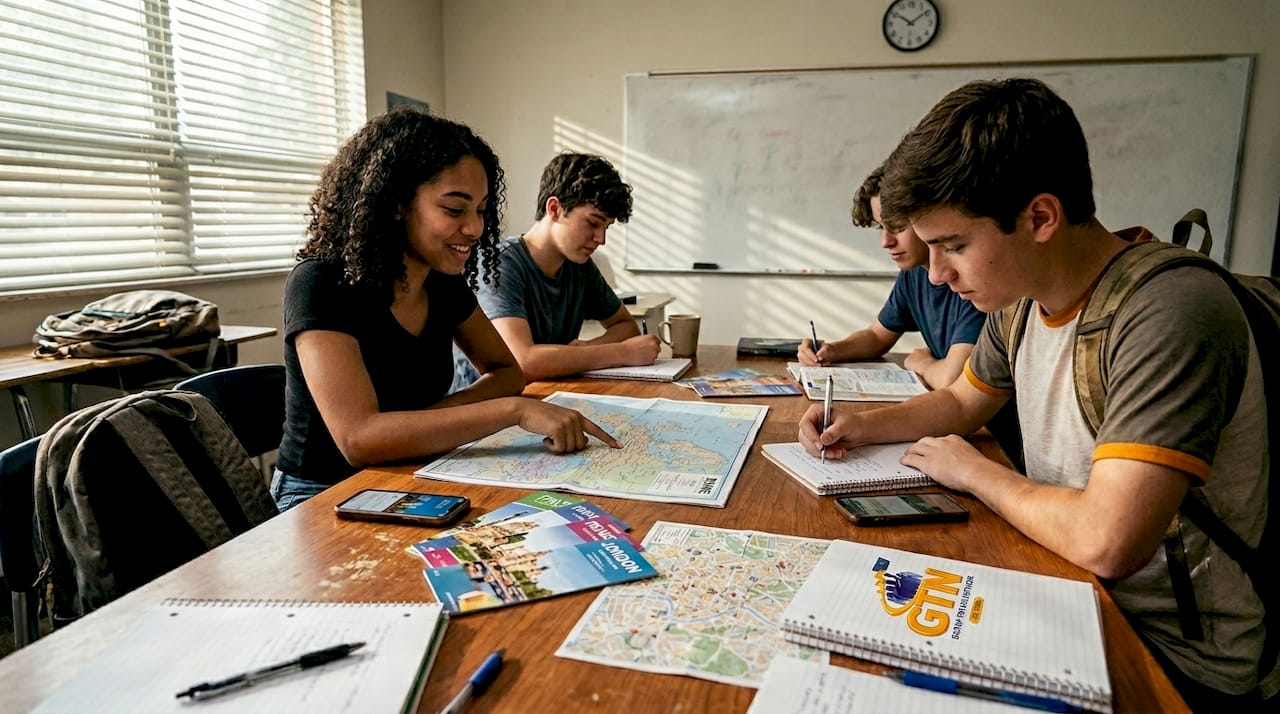
TL;DR:
- Student trips in 2026 prioritize safety, curriculum alignment, flexibility, and sustainability.
- Europe remains the top destination, with emerging options in Asia and secondary European cities.
- Customization, technology, and meaningful experiential learning are key trends shaping successful trips.
Student travel in 2026 is not what it was three years ago. Budgets are recovering, expectations are higher, and the pressure on trip coordinators to deliver meaningful, safe, and cost-effective experiences has never been greater. The global student travel market (opens in a new tab) was valued at USD 94.2 billion in 2024, and that number tells you something important: this space is moving fast. For school administrators and educational trip leaders, knowing which trends actually matter versus which ones are just noise is the difference between a trip students remember forever and one that falls flat.
Table of Contents
- Key criteria for optimal student trips in 2026
- Popular and emerging destinations for 2026
- Flexible experiences: Programs, themes, and customization
- Technology, safety, and sustainability in student travel
- Student travel trends: What most planners overlook
- Plan your 2026 student trips with expert support
- Frequently asked questions
Key Takeaways
| Point | Details |
|---|---|
| Criteria shift | Educational priorities, flexibility, and sustainability now drive trip planning more than ever. |
| Destination evolution | Europe remains top but emerging Asian cities and thematic tours are rapidly gaining favor. |
| Program customization | Trips blend academics, hands-on learning, adventure, and personalization to maximize impact. |
| Tech and safety | Travel tech, contactless tools, and new safety protocols set the standard for 2026 experiences. |
| Perspective matters | Smart planning means focusing on fundamentals, not just trendy options, for true educational value. |
Key criteria for optimal student trips in 2026
Before you book anything, you need a clear framework for evaluating what makes a student trip worth the investment. The landscape has shifted enough that old checklists no longer cut it.
The stakes are real. Student travel directly impacts educational outcomes, social development, and even college readiness. Schools that invest in well-designed trips report stronger student engagement and broader cultural awareness. With the student travel market projected to reach USD 148.2 billion by 2031, vendors and destinations are competing harder for your business, which means more options but also more noise to cut through.
When evaluating any trip in 2026, these are the core factors that should drive your decisions:
- Safety and supervision standards: Updated protocols, clear chaperone ratios, and emergency communication plans
- Cost-effectiveness: Transparent pricing, group discounts, and flexible payment structures
- Cultural immersion: Authentic local engagement, not just tourist-facing experiences
- Curriculum alignment: Does the destination or theme connect to what students are actually studying?
- Group logistics: Accessible venues, manageable travel distances, and adaptable schedules
- Sustainability: Are vendors and itineraries designed with environmental responsibility in mind?
Aligning trip themes with curriculum is no longer optional. Teachers and administrators are under pressure to justify time away from school, and a trip that connects directly to classroom content is far easier to approve and fund. When planning group trips (opens in a new tab), the most successful coordinators start with learning objectives first and destination second.
Flexibility has also become non-negotiable. Post-pandemic travel taught everyone that plans change. Booking arrangements that include cancellation protection, rebooking options, and adaptable itineraries are now a baseline expectation, not a premium add-on.
Pro Tip: Build a simple scoring rubric before you compare trip proposals. Rate each option on safety, curriculum fit, cost, and flexibility. It removes emotion from the decision and makes it easier to justify your choice to school leadership.
Popular and emerging destinations for 2026
Where are student groups actually going in 2026? The answer is more varied than you might expect, with a clear split between well-established powerhouses and exciting new contenders.
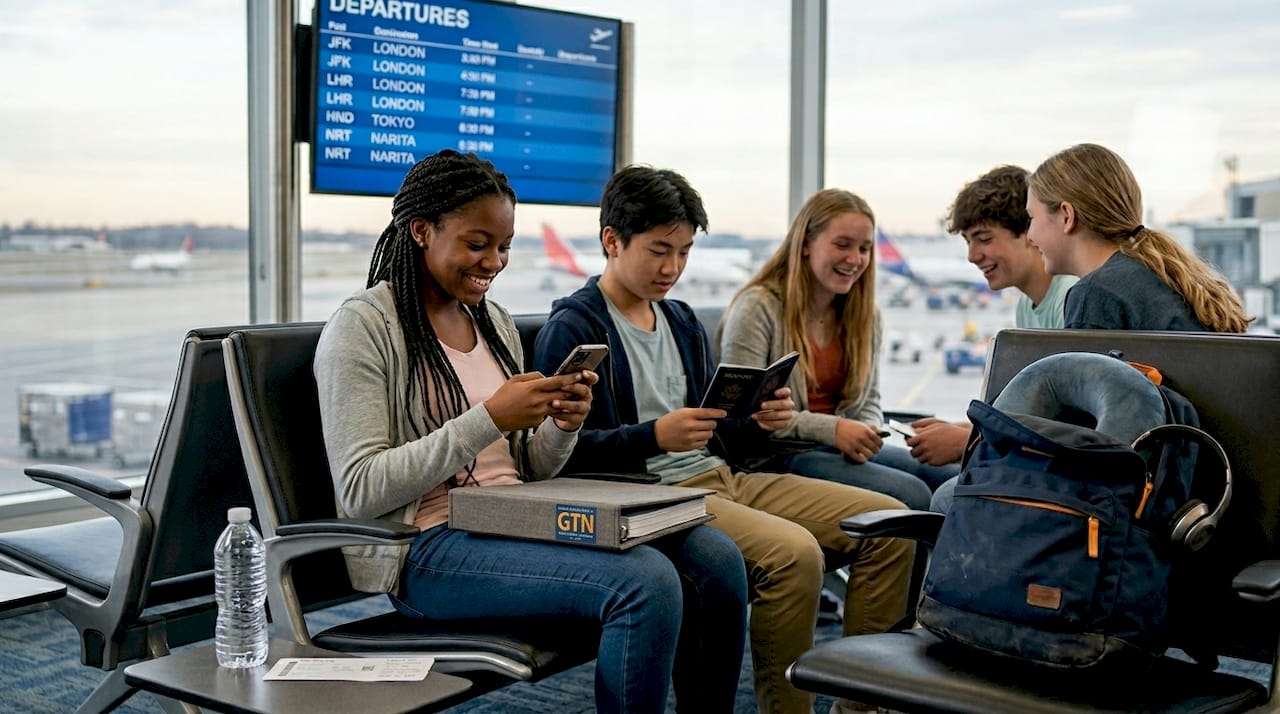
Europe remains the dominant force. Europe holds 41.2% share (opens in a new tab) of the educational tourism market, with 2026 revenue projected at USD 564.73 billion. That dominance is not accidental. European cities offer a rare combination of historical depth, accessibility, and infrastructure built for group travel. For schools planning Europe trips (opens in a new tab), the options span everything from ancient history to cutting-edge science museums.
Here is a quick comparison of top destinations by key trip criteria:
| Destination | Best for | Budget level | Curriculum fit |
|---|---|---|---|
| Lisbon, Portugal | History, culture, language | Moderate | Humanities, geography |
| Budapest, Hungary | Architecture, WWII history | Budget-friendly | History, social studies |
| Barcelona, Spain | Art, architecture, STEM | Moderate | Arts, science |
| Iceland | Environmental science | Premium | STEM, sustainability |
| Tokyo, Japan | Technology, culture | Premium | STEM, global studies |
| Italy (Rome/Florence) | Classical history, art | Moderate to premium | Humanities, arts |
Beyond the classics, secondary cities are gaining traction. Coordinators looking for lower costs and fewer crowds are turning to destinations like Porto, Krakow, and Ghent. These cities offer equally rich educational content at a fraction of the price of Paris or London.
Asia is also climbing the list. Tokyo in particular is drawing STEM-focused groups, with its blend of robotics culture, historical temples, and world-class public transit serving as a living classroom. Stay current on travel news and updates (opens in a new tab) as visa and entry requirements in Asia continue to evolve.
The most effective trips pair cultural exposure with skill-building. A Barcelona trip that includes a Gaudi architecture workshop teaches design thinking. An Iceland itinerary built around geothermal energy connects directly to environmental science units. These European cultural adventures (opens in a new tab) are increasingly popular because they justify the cost and deliver measurable educational value.
- Budget-friendly picks: Budapest, Porto, Krakow, Lisbon
- Premium experiences: Iceland, Tokyo, Florence
- Best for arts and performance groups: Barcelona, Rome, Vienna
- Best for STEM themes: Iceland, Tokyo, Barcelona
Flexible experiences: Programs, themes, and customization
The biggest shift in student travel right now is not where groups are going. It is how trips are being structured once they get there.
Theme-based trips are replacing generic sightseeing tours at a rapid pace. Schools are designing itineraries around specific learning goals: STEM exploration, service-learning projects, arts immersion, historical investigation, or language acquisition. This shift reflects a broader educational philosophy that values depth over breadth. One well-designed workshop at a science institute beats three rushed museum visits.
6.9 million tertiary students (opens in a new tab) studied abroad in 2023, and that number is growing. The demand for meaningful, structured international experiences is not slowing down. What is changing is the expectation for personal relevance. Students in 2026 want trips that connect to their interests and goals, not a one-size-fits-all tour.
Popular program types gaining momentum include:
- Immersive language workshops embedded in local communities
- Performance tours for band, choir, and theater groups
- Service-learning projects that combine travel with community impact
- Tech-focused itineraries visiting innovation hubs, universities, and research centers
- History investigation programs using primary sources and local guides
Customization is now a core expectation. Trip coordinators who offer students input into the itinerary report higher engagement before, during, and after the trip. It sounds simple, but asking students what they want to learn or experience creates ownership and reduces behavioral issues on the road.
“The best student trips we have seen are the ones where the itinerary feels like it was built for that specific group, not pulled from a catalog.”
For coordinators focused on maximizing learning in tours (opens in a new tab), the key is building in structured reflection time. A debrief session after a museum visit or a shared journal prompt at the end of each day transforms passive tourism into active learning. These small additions also make it much easier to report educational outcomes to school boards and parents.
The trips that generate the strongest group travel memories (opens in a new tab) are rarely the most expensive ones. They are the ones with intentional design, student involvement, and a clear educational thread running through every activity.
Pro Tip: When building a themed itinerary, anchor each day around one core learning objective. Everything else, meals, transit, free time, should support or at least not contradict that objective. It keeps the trip coherent and makes post-trip assessment much easier.
Technology, safety, and sustainability in student travel
Three forces are reshaping the operational side of student travel in 2026: smarter technology, tighter safety standards, and a genuine push toward sustainable practices.
Technology has moved from a convenience to a necessity. Online check-in tools, group itinerary apps, and real-time emergency alert systems are now standard expectations for any reputable travel provider. With the student travel market projected to reach USD 148.2 billion by 2031, providers are investing heavily in digital infrastructure to stay competitive. That investment benefits trip coordinators directly.
Here is how technology is being used across the trip lifecycle:
| Phase | Technology tool | Benefit |
|---|---|---|
| Pre-trip | Online registration and payment portals | Reduces admin time, improves accuracy |
| During trip | Itinerary and alert apps | Real-time updates, emergency communication |
| Safety | GPS tracking and check-in systems | Chaperone visibility, student accountability |
| Post-trip | Digital feedback and reporting tools | Outcome documentation, parent communication |
Safety standards have also tightened considerably. Schools and trip planning technology providers are now expected to offer clear protocols for medical emergencies, lost students, and rapid itinerary changes. Remote chaperone involvement, where a school administrator can monitor a trip in real time from home, is becoming a standard feature rather than an exception.
Sustainability is the third pillar, and it is no longer just a marketing talking point. Here is how leading trip programs are building eco-conscious practices into their itineraries:
- Choosing rail and public transit over charter buses where possible
- Partnering with locally owned hotels, restaurants, and vendors
- Incorporating carbon offset programs into the trip budget
- Designing student-led sustainability projects as part of the trip curriculum
- Avoiding single-use plastics through reusable supply kits for each student
Student-led sustainability projects are particularly powerful. When students research the environmental impact of their destination before traveling and then take action during the trip, the learning sticks. It also gives the trip a purpose that resonates with today’s socially aware student population.
Student travel trends: What most planners overlook
Here is something worth saying plainly: the most common mistake we see trip coordinators make is chasing the trend instead of the outcome. A destination can be buzzy and still deliver a shallow experience. A technology platform can be impressive and still create more confusion than clarity for a group of 40 teenagers.
The uncomfortable truth is that the fundamentals still drive trip success more than any trend. Strong pre-trip preparation, genuine student input, and built-in flexibility matter more than whether you are visiting the hottest city of the year. The trips that generate lifelong learning memories are almost always the ones where the coordinator spent as much time preparing students as planning logistics.
Group bonding is another chronically underrated factor. Trips where students know each other well before departure have fewer behavioral issues, stronger peer support, and better learning outcomes. A pre-trip meeting or shared project costs almost nothing and pays dividends on the road. No trend can substitute for that kind of groundwork.
Plan your 2026 student trips with expert support
Understanding the trends is one thing. Turning them into a real, well-executed trip is another challenge entirely.
At Group Travel Network, we work directly with school administrators and trip coordinators to translate exactly these kinds of trends into practical, student-centered itineraries. Whether you are starting from scratch or refining an existing program, our step-by-step trip planning (opens in a new tab) resources give you a clear path forward. Explore our 2026 trip tips for actionable guidance, or go deeper with our ultimate educational travel guide (opens in a new tab) to build a trip your students will talk about for years.
Frequently asked questions
What are the most popular student travel destinations in 2026?
Europe leads with cities like Lisbon, Budapest, and Barcelona, as well as Italy and Iceland, while Tokyo and secondary Asian cities are rising fast. Europe holds 41.2% of the educational tourism market in 2026, making it the dominant region for school group travel.
How is technology changing student travel in 2026?
Technology now enables seamless online booking, real-time itinerary apps, GPS safety tracking, and instant emergency communication for group trips. The student travel market is projected to reach USD 148.2 billion by 2031, reflecting rapid adoption of digital tools across the industry.
Why is student travel growing so quickly now?
Post-pandemic recovery, the internationalization of education, and a school-wide push toward experiential learning are all driving demand. The educational tourism market is expected to reach USD 1.76 trillion by 2035, signaling sustained long-term growth.
What makes a student trip successful in 2026?
Success comes from balancing educational relevance, strong safety protocols, genuine student input, and built-in flexibility from the start. Destinations and themes that align with curriculum goals make trips easier to fund, approve, and justify to parents.
What are sustainable practices in student travel for 2026?
Leading programs use carbon offset budgets, prioritize rail and public transit, partner with local vendors, and build student-led sustainability projects directly into the itinerary. These practices reduce environmental impact while also deepening the educational value of the trip.
Recommended
- News • Group Travel Network (opens in a new tab)
- Group Travel For Students 2025: Building Lifelong Memories (opens in a new tab)
- Best Student Travel Companies 2025: Choose The Right Partner (opens in a new tab)
- Group Travel For Students 2026: Building Lifelong Memories (opens in a new tab)
- Travel document trends in 2026: what U.S. travelers need