

The fastest funding paths for school group travel are national scholarship programs like the SYTA Youth Foundation Road Scholarship, subject-specific foundation grants, local education foundations, and coordinated fundraising campaigns run alongside those applications. Most group awards must be submitted by a teacher or school official, not a parent or student. The single best move right now: assign one staff member to lead the search, draft the trip’s learning goals, and pull together a rough budget before you approach any funder.
TL;DR:
- Most grants and scholarships require applications from teachers or school officials, with nomination-only programs like SYTA prioritizing early, focused preparation.
- Applying for funding 9 to 12 months before travel and finalizing the budget at least three months ahead prevents missed deadlines and incomplete documentation.
- Broad-based scholarships like SYTA or regional funds often cover only a portion of costs, making parallel fundraising essential to cover the full trip expenses.
- Preparing standardized templates for applications and donor outreach saves time and ensures consistency across multiple fundraising and grant applications.
- Effective trip planning involves starting early, connecting the itinerary to curriculum standards, and pairing grant applications with local fundraising efforts.
Table of Contents
- 1. Types of student travel scholarships and grants for school groups
- 2. How funders evaluate group applications and a prioritized application checklist
- 3. Timeline and common pitfalls: plan backward from the trip date
- 4. Parallel fundraising and cost-stretch tactics while grants are pending
- 5. Templates and short scripts for applications and donor outreach
- 6. Planning your budget after you win a scholarship
- 7. What coordinators consistently get right
- How Group Travel Network helps you fund and manage the trip
- Sources
- FAQ
1. Types of student travel scholarships and grants for school groups
Group leaders have more funding options than most coordinators realize, but each program targets a different kind of trip. Knowing which one fits your group saves weeks of wasted applications.
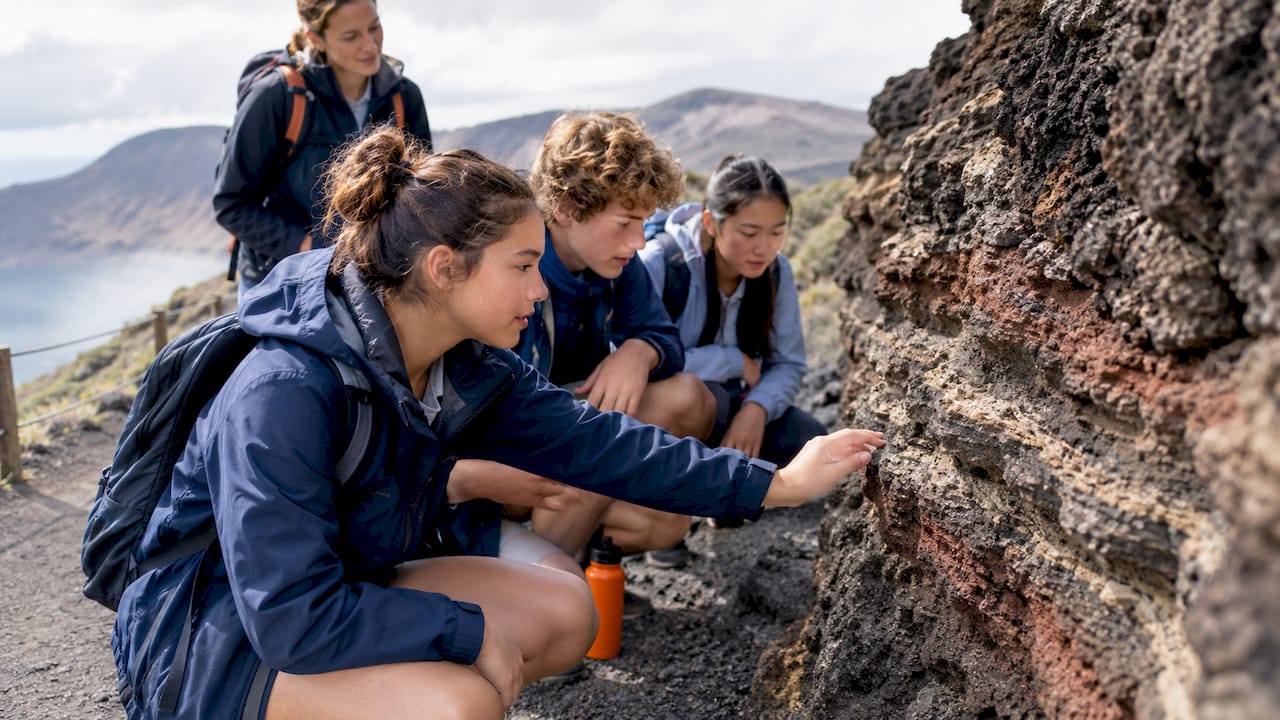
The SYTA Youth Foundation Road Scholarship (opens in a new tab) accepts nominations for students in grades K through 12, and awards can reach $1,000 for an individual student or up to $5,000 for a group nomination, since the foundation requires that an educator or designated school official submit the nomination, not a parent. For geoscience-focused field trips, the AEG Foundation (opens in a new tab) offers grants typically around $1,000 each, meant to cover transportation, lunches, admission fees, and liability insurance, with itineraries expected to include at least three significant geoscience stops. History-focused programs have their own dedicated funder: the American Battlefield Trust History Field Trip Grant Program (opens in a new tab) funds K-12 visits to Civil War, Revolutionary War, and War of 1812 sites, with awards up to $3,000 reviewed during a rolling review.
Music programs have a narrower set of options. Save The Music (opens in a new tab) partners with districts to fund instruments, technology, and educator support rather than issuing unrestricted travel cash, so it works better as a program-building resource than a trip-funding source. Local and district education foundations tend to be more flexible for performance travel: the DCIS Foundation runs a competitive process awarding groups between $5,000 and $10,000, and the Newton Education Foundation has awarded grants such as a nine-thousand-dollar gift that helped send choral students to Carnegie Hall.
A quick way to sort these by audience:
- Performance and music groups: local education foundations, district arts foundations, and community partners tend to respond best to travel tied to a concert or competition.
- STEM and field-trip groups: AEG Foundation and similar subject-specific grants fit best when the itinerary centers on a scientific or historical site.
- Any group leader: the SYTA Youth Foundation Road Scholarship is worth applying to first since it accepts broad nominations and has a clear submission process.
- Title I schools with tight budgets: smaller regional funds often provide supplemental awards to help schools with tight budgets.
2. How funders evaluate group applications and a prioritized application checklist
Reviewers are not just checking whether your trip sounds fun. They are scoring how well it connects to classroom learning, how many students it reaches, and how safely it’s planned. Programs sometimes use structured rubrics, similar in spirit to a Levels of Intercultural Immersion framework, that weigh curriculum alignment, measurable learning outcomes, student access and equity, adult supervision, and community impact.
Before you submit anything, work through this checklist:
- Finalized itinerary with dates, sites, and daily activities spelled out.
- Written learning goals tied to specific state or district standards.
- Student roster showing grade level and, where relevant, demonstrated need.
- Line-item budget covering transportation, lodging, admissions, and insurance.
- Chaperone plan listing adult-to-student ratios and supervision duties.
- Insurance and liability documentation confirming coverage for the trip.
- Letters of support from administrators or confirmed community partners.
Most national and foundation grants, including the SYTA Youth Foundation (opens in a new tab), require that a group leader, teacher, or school official submit the application. Some, like the Road Scholarship, are nomination-only, meaning a student cannot apply on their own behalf.
Pro Tip: Open your application with a three-sentence executive summary (opens in a new tab) that names the destination, the standard it supports, and the number of students it reaches: reviewers often decide their first impression in that paragraph.
3. Timeline and common pitfalls: plan backward from the trip date
Application windows vary widely, and missing one by a week can cost a group thousands of dollars. The DCIS Foundation (opens in a new tab) runs an annual cycle with a fall opening for the first application stage, followed by student-led finalist presentations. The Trip Foundation reviews on a discretionary basis with typical grants about $500 for domestic trips and about $1,000 for international ones, and its window doesn’t always match the school calendar. The Battlefield Trust grant reviews on a rolling basis, which gives more flexibility but no guaranteed decision date.
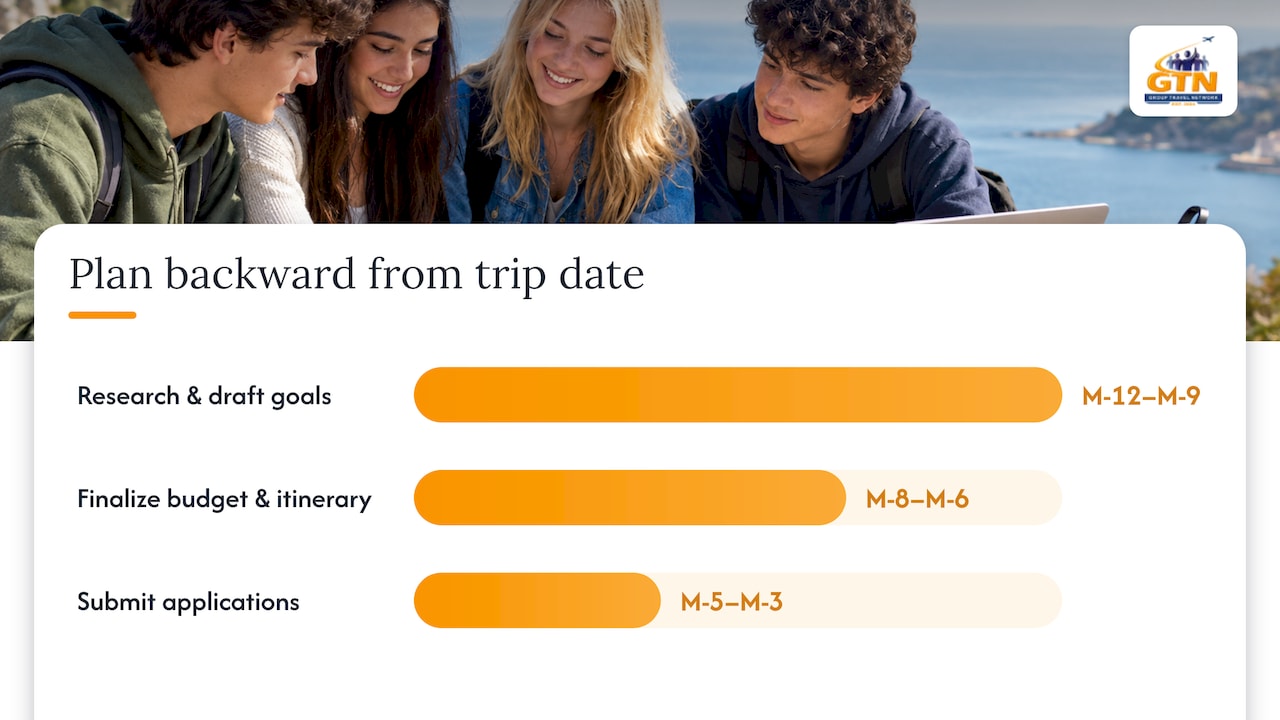
Work backward from your travel date:
- Month 12 to Month 9 before travel: research funders, confirm nomination rules, and draft learning goals.
- Month 8 to Month 6: finalize the budget and itinerary so they’re ready the moment a window opens.
- Month 5 to Month 3: submit applications, since most close well before the trip itself.
The most common reasons applications get denied are incomplete documentation, confusion over who is allowed to submit (parent versus teacher), weak curriculum framing, and budgets finalized too late to include in the packet. Fix these by naming a grants lead early, keeping every document in one shared folder, and reusing a template for learning outcomes across applications.
4. Parallel fundraising and cost-stretch tactics while grants are pending
Grants alone rarely cover a full trip, so most successful coordinators run fundraising in parallel rather than waiting on one decision. Matched-gift drives and donor campaigns can multiply what a booster club raises on its own. Project STEP’s Student Touring Fund, for example, used matching gifts to help close a $30,000 goal, showing how a local match can accelerate a campaign that would otherwise stall.
- Corporate sponsorships: local businesses often prefer sponsoring a named event over a general ask.
- Booster club grants: many national booster organizations offer small grants alongside fundraising support.
- Performance-based fundraisers: a ticketed preview concert or car wash tied to the trip itself tends to outperform generic sales.
- Crowdfunding: show a specific dollar goal, a short list of what it covers, and a photo of the group, not just the destination.
Sliding-scale pricing and in-kind donations, like a local music store lending instruments or a venue waiving a fee, stretch every dollar further. Keep a simple log of what each fundraiser brought in.
Pro Tip: Save your fundraising totals and donor letters. Funders reviewing next year’s application want to see that your group can mobilize local support, not just wait for outside money.
5. Templates and short scripts for applications and donor outreach
Most coordinators lose time rewriting the same paragraphs for every application. A few reusable templates fix that.
- Executive summary template: “Our [grade level] group requests [$amount] to support a [number]-day trip to [destination], directly supporting [standard or subject], reaching [number] students, with outcomes measured through [assessment method].”
- Teacher nomination script: name the student or group, describe how they qualify, and note one specific contribution the student made to the program, since nomination-only funders want individual context, not a generic form letter.
- Local business donor email: state the trip, the ask, what recognition the sponsor receives, and a specific deadline for a reply.
- Parent and community matching appeal: explain the match structure clearly, for example “every dollar you give is matched up to [amount],” and include a simple way to give.
Personalize each template with real names and numbers before sending, and keep copies of every attachment you promised so you’re not scrambling to recreate them for the next funder.
6. Planning your budget after you win a scholarship
Winning a scholarship is the easy part. Building a full budget around it is where trips get delayed or downsized. Start by separating the award into what it covers and what it doesn’t: most grants, including the AEG Foundation and Battlefield Trust programs, are meant to offset costs like transportation, admissions, or insurance rather than fund an entire trip outright.
List every ancillary cost separately: meals not included in a package, gratuities for drivers and guides, spending money, and any last-minute changes to lodging. A payment plan (opens in a new tab) that spreads remaining costs across several months makes the gap between the award and the total price easier for families to manage. If your scholarship requires proof of how funds were spent, keep receipts and a simple ledger from day one rather than reconstructing it after the trip.
Build in a small buffer, typically an extra few percent of the total budget, for currency shifts on international trips or unexpected fees. Coordinators who treat the scholarship as one line in a bigger financial plan, rather than the whole plan, tend to avoid the scramble that happens when a bus contract or hotel deposit comes due before the rest of the funding is secured.
7. What coordinators consistently get right
The pattern behind successful applications is almost always the same: the group started early, tied the itinerary to a specific standard, and paired the grant application with a local fundraising push instead of waiting on one source. Groups that treat the trip as a classroom extension, with a written outcome a teacher can point to afterward, tend to fare better with reviewers than groups that lead with the destination itself.
Specialized travel agencies work with school administrators, band and choir directors, and coaches on the logistics side of this process, including trip coordination, documentation support, flexible payment plans, and travel protection options, so coordinators can spend their limited time on the parts of the application only they can write.
— Donovan
How Group Travel Network helps you fund and manage the trip
Once you have a grant in hand or a fundraising plan underway, the next challenge is turning it into a real itinerary without losing months to logistics. Travel agencies build curriculum-aligned itineraries and budget worksheets in the format funders expect, so the same document you use for your application can become your working trip plan.
- Itinerary drafting that highlights the learning outcomes reviewers look for.
- Budget worksheets broken into the line items most grant applications require.
- Online registration and payment plans that let families pay over time instead of all at once.
Coordinators typically start with a consultation, use the resulting documents in their scholarship or grant applications, then book with a payment plan once funding is confirmed. If you’re ready to put a real itinerary behind your funding request, request a quote from a trip specialist (opens in a new tab) and start building a trip your funders and your students will both stand behind.
Sources
- History Field Trip Grant Program | American Battlefield Trust (opens in a new tab)
- Student opportunities and scholarships (SYTA Youth Foundation mention) | NAfME (opens in a new tab)
- Grant Applications | AEG Foundation (opens in a new tab)
- Funding | DCIS Foundation (opens in a new tab)
- How we work | Save The Music Foundation (opens in a new tab)
FAQ
Who is allowed to submit a student travel scholarship application?
Most national and foundation programs require a teacher, group leader, or school official to submit the application, not a parent or student. The SYTA Youth Foundation explicitly states it does not accept nominations from parents.
How much money can a school group typically expect to receive?
Award sizes vary widely by program: the SYTA Youth Foundation offers up to $5,000 for group nominations, while the DCIS Foundation awards between $5,000 and $10,000 per winning group. Smaller regional funds, like the Trip Foundation, typically cap awards around $500 for domestic trips and $1,000 for international travel.
When should coordinators start applying for travel grants?
Start researching and drafting learning goals nine to twelve months before travel, since some programs like the DCIS Foundation open applications months in advance while others, such as the Battlefield Trust grant, review on a rolling basis. Finalizing your budget and itinerary at least three months before any deadline gives you time to submit multiple applications.
What documents do funders usually require?
Expect to provide a finalized itinerary, written learning goals tied to curriculum standards, a student roster, a line-item budget, a chaperone plan, and insurance documentation. Programs that score on criteria like intercultural immersion or community impact also want a short narrative connecting the trip to measurable outcomes.
Can fundraising replace the need for a scholarship application?
Fundraising works best alongside grant applications rather than in place of them, since matched-gift campaigns and corporate sponsorships can close the gap that a single award doesn’t cover. Documenting your fundraising totals also strengthens future scholarship applications by showing a funder that your group can mobilize local support.
Recommended
- Compliant Teacher Travel Funding For School Leaders: 3 Models (opens in a new tab)
- Student Travel Fundraising Ideas That Actually Work (opens in a new tab)
- Smart Student Travel Fundraising Tips For School Trip Success (opens in a new tab)
- What Is Student Trip Fundraising: A 2026 Guide (opens in a new tab)