


[fusion_builder_container type=”flex” hundred_percent=”no” equal_height_columns=”no” hide_on_mobile=”small-visibility,medium-visibility,large-visibility” background_position=”center center” background_repeat=”no-repeat” fade=”no” background_parallax=”none” parallax_speed=”0.3″ video_aspect_ratio=”16:9″ video_loop=”yes” video_mute=”yes” border_style=”solid”][fusion_builder_row][fusion_builder_column type=”1_1″ type=”1_1″ background_position=”left top” border_style=”solid” border_position=”all” spacing=”yes” background_repeat=”no-repeat” margin_top=”20px” margin_bottom=”0px” animation_speed=”0.3″ animation_direction=”left” hide_on_mobile=”small-visibility,medium-visibility,large-visibility” center_content=”no” last=”no” hover_type=”none” min_height=”” link=””][fusion_text]
Expanding Horizons Through European Exploration
Student European tours in 2025 offer unparalleled opportunities for students to experience new cultures, broaden their perspectives, and connect classroom learning to real-world adventures. These thoughtfully designed journeys immerse students in the art, history, and daily life of Europe’s most iconic cities and hidden gems. Whether focused on language immersion, historical discovery, or creative inspiration, student European tours provide a blend of adventure, cultural enrichment, and personal growth that leaves a lifelong impact.

Popular Routes and Must-See Cities
European tours for students typically include classic itineraries such as London-Paris-Rome, or region-focused journeys through Spain, Germany, or the Mediterranean. Must-see cities include:
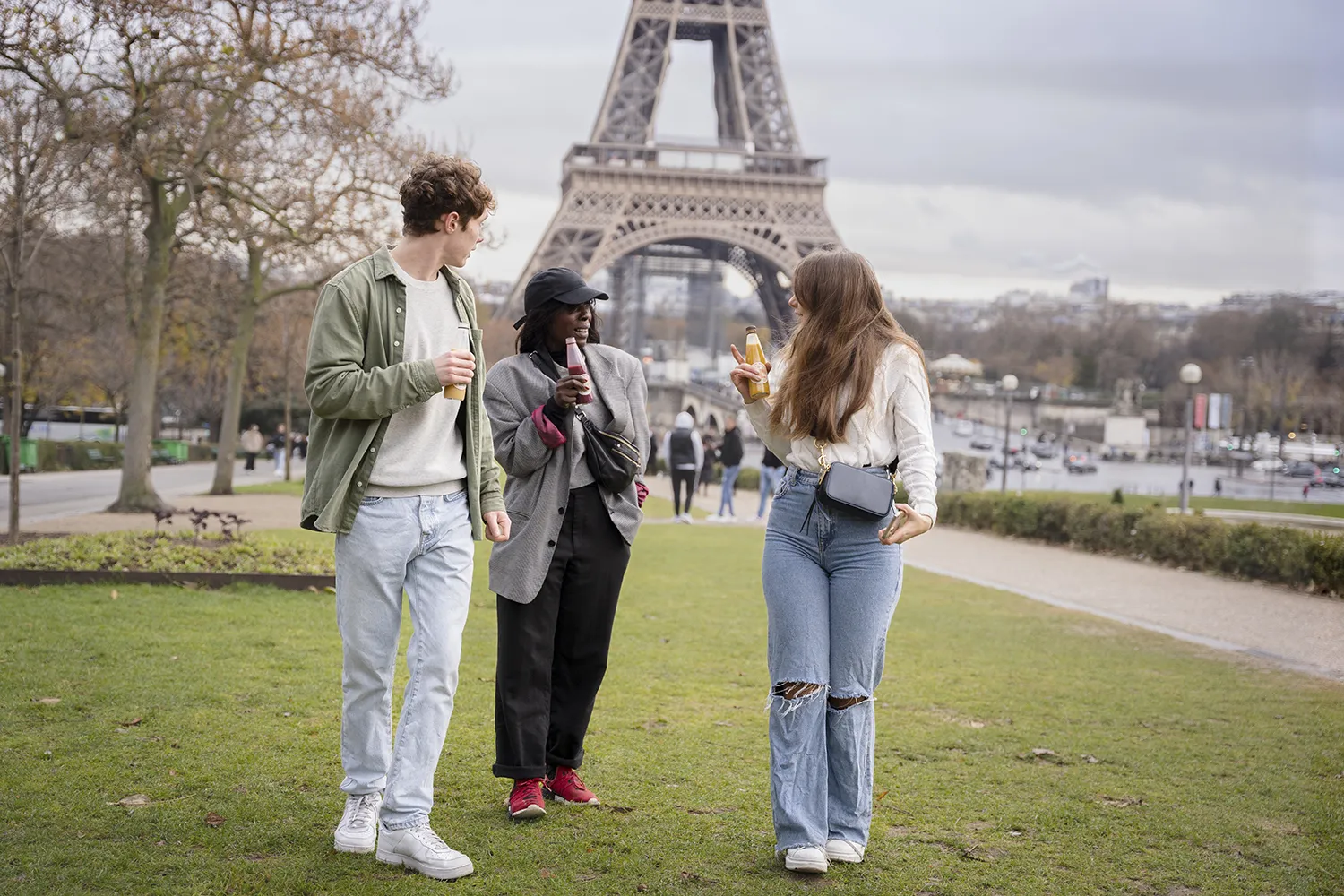
- Paris – Art, fashion, and history at the Louvre, Eiffel Tower, and Montmartre.
- Rome – Ancient wonders like the Colosseum, Vatican City, and Roman Forum.
- London – Iconic landmarks, theater, and British culture at Westminster, the Globe, and more.
- Barcelona – Gaudí’s architecture, vibrant markets, and Mediterranean flair.
- Berlin – Modern history, the Berlin Wall, and a thriving arts scene.
- Prague – Old World charm, castles, and music heritage.
Thematic tours may include:
- Art and Architecture: Exploring galleries, museums, and historical sites.
- History and Politics: WWII sites, ancient ruins, and government institutions.
- Language Immersion: Homestays and language schools in France, Spain, or Italy.
- STEM and Innovation: Visits to European tech hubs, science centers, and universities.
Educational and Personal Growth Benefits
Student European tours go beyond sightseeing. Students:
- Develop cultural competency and language skills.
- Gain independence by navigating new environments.
- Build teamwork and adaptability through group travel.
- Connect classroom lessons in art, history, and language to real-world experiences.
- Experience personal growth, confidence, and a global mindset.
Planning Tips for Schools
- Define Educational Goals: Align the tour with curriculum objectives and student interests.
- Choose the Right Itinerary: Balance must-see cities with unique local experiences.
- Partner with Experienced Providers: Work with organizations specializing in student European tours for safety, logistics, and support.
- Prepare Students: Offer pre-trip meetings on culture, safety, and expectations.
- Encourage Reflection: Incorporate journaling, group discussions, and post-trip projects to reinforce learning.
Conclusion
Student European tours in 2025 are more than just travel—they’re transformative educational experiences that inspire curiosity, foster independence, and create memories to last a lifetime. Group Travel Network is dedicated to helping schools design safe, enriching, and unforgettable European journeys for students of all backgrounds.[/fusion_text][/fusion_builder_column][/fusion_builder_row][/fusion_builder_container]